
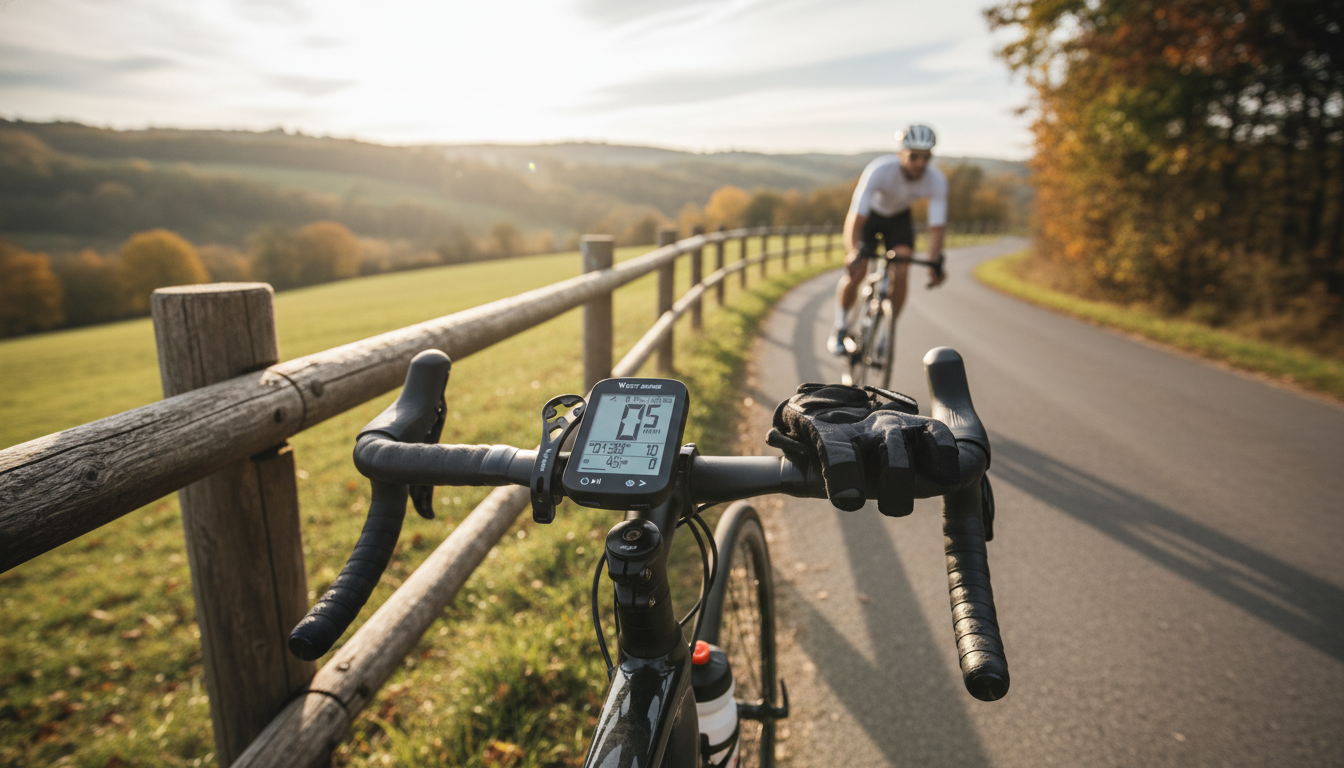
A dedicated cycling computer keeps key ride stats visible at a glance—speed, distance, time, and route progress—without relying on a phone screen. Wireless speed and distance tracking is all about getting the numbers you care about with a cleaner setup: fewer cables, less handlebar clutter, and fewer reasons to interact with a phone mid-ride. Below is a practical breakdown of how GPS and sensors work in real conditions, when each method matters most, and how to set up a simple, reliable cockpit for everyday riding.
Wireless tracking means your bike computer receives ride data without a wired sensor running along the frame. Depending on the device and setup, that data can come from GPS satellite positioning, a wireless wheel speed sensor, or a combination of both.
GPS-derived speed is calculated from changes in your position over time, while a wheel speed sensor calculates speed based on wheel rotations. In practice, both can be very useful; the best choice depends on where and how you ride.
GPS is excellent for outdoor riding because it captures a route track and can deliver strong distance accuracy under open sky. A wheel speed sensor shines when reception is compromised or when you want instant responsiveness—like quick surges during interval work or stop-and-go city riding.
| Feature | GPS-based tracking | Wireless speed sensor tracking |
|---|---|---|
| Best for | Outdoor rides, routes, exploring | Stable speed on variable reception, indoor use |
| Speed responsiveness | Good, may smooth or lag slightly | Very fast (wheel rotation based) |
| Distance accuracy | Strong on open sky; can drift in poor reception | Consistent when wheel size is set correctly |
| Setup effort | Mount + start ride | Pair sensor + set wheel size/calibration |
| Works without satellite signal | No | Yes |
For deeper background on how GPS works at a system level, the official reference at GPS.gov is a helpful resource. And if your setup includes wireless sensors, standards like ANT+ explain how bike sensors communicate with compatible devices.
Speed and distance aren’t just “nice-to-have” stats. On a typical week of riding, a clear cycling computer display can improve pacing, consistency, and focus—without encouraging constant screen interaction.
If you sync rides to a fitness platform, recording settings can affect how your data looks (especially pauses and GPS behavior). Strava’s guidance on recording is a useful reference: Strava Support — GPS and activity recording.
Most “inaccurate speed” complaints come down to setup details: screen placement, sensor connection, calibration, or starting a ride before GPS is ready. A short pre-ride routine can prevent most of those issues.
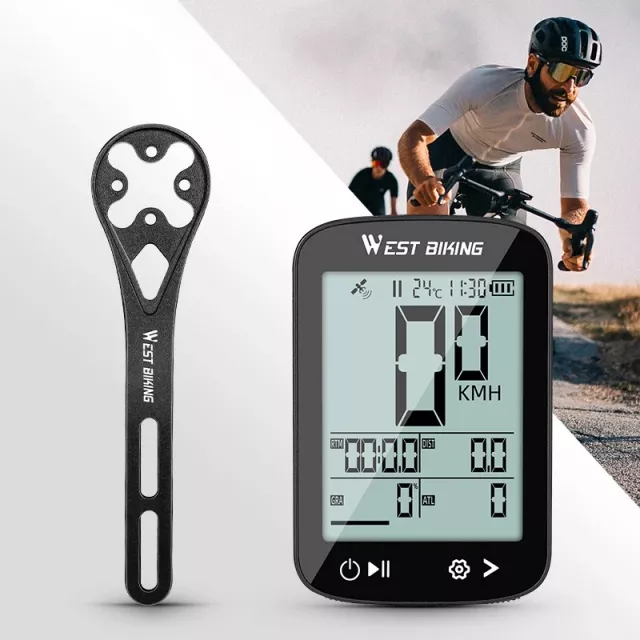
If the goal is quick, readable ride stats without overcomplicating the cockpit, the GPS Cycling Computer with Wireless Speed & Distance Tracking is a practical choice for everyday riding. It’s well-suited to commuters, casual fitness rides, and weekend mileage goals where you mainly want speed, distance, and time presented clearly—plus the convenience of GPS ride logging.
For riders who lock up at coffee stops, work, or errands, pairing your tracking setup with a visibility-and-security accessory can also simplify the ride routine. The 2-in-1 Bike Cable Lock with Built-In Taillight combines a basic theft-deterrent cable lock with a built-in rear light, helping cover two common needs without adding another separate item to remember.
Yes. Outdoors, GPS alone can calculate speed and distance from your changing position. A wheel sensor can still be helpful for faster speed response and more consistent readings when GPS reception is weak (like heavy trees, tunnels, or dense city blocks).
Accuracy depends on conditions and setup: GPS is typically very solid under open sky, while a wheel sensor is highly consistent when installed correctly and paired with the correct wheel size. If numbers look off, checking calibration and sensor connection usually fixes it.
GPS generally won’t function well indoors because it can’t reliably see satellites. For indoor riding, a wheel speed sensor or trainer-based sensor data is usually needed to get consistent speed and distance.









Leave a comment