HomeBlogBlogNew Driver Safety Checklist: Awareness & Smooth Speed

New Driver Safety Checklist: Awareness & Smooth Speed

New Driver Safety Checklist: Awareness & Smooth Speed

Learning the Road the Smart Way: A New Driver Safety Guide for Confidence, Awareness, and Speed Control

New drivers can memorize right-of-way rules and still feel overwhelmed the first time traffic gets dense, a light turns yellow sooner than expected, or a car appears in the blind spot. Real-world driving is less about perfect knowledge and more about repeatable habits—how you scan, how you manage space, and how you control speed without sudden reactions. The goal is simple: stay calm, stay predictable, and give yourself time to make good decisions.

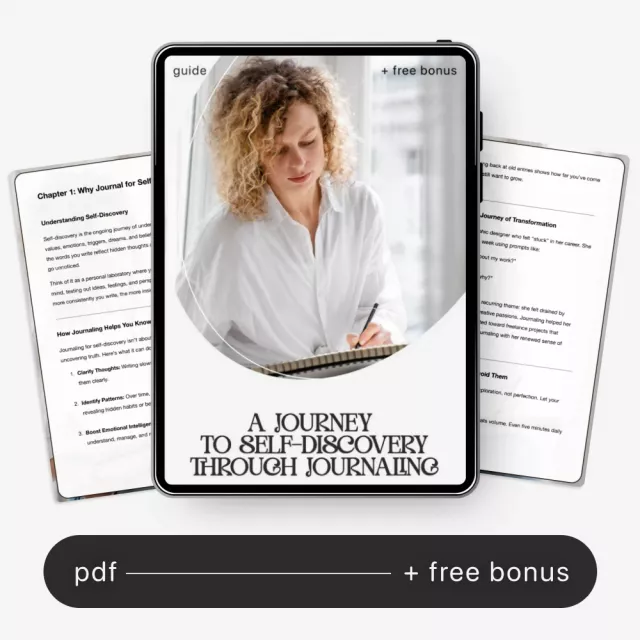
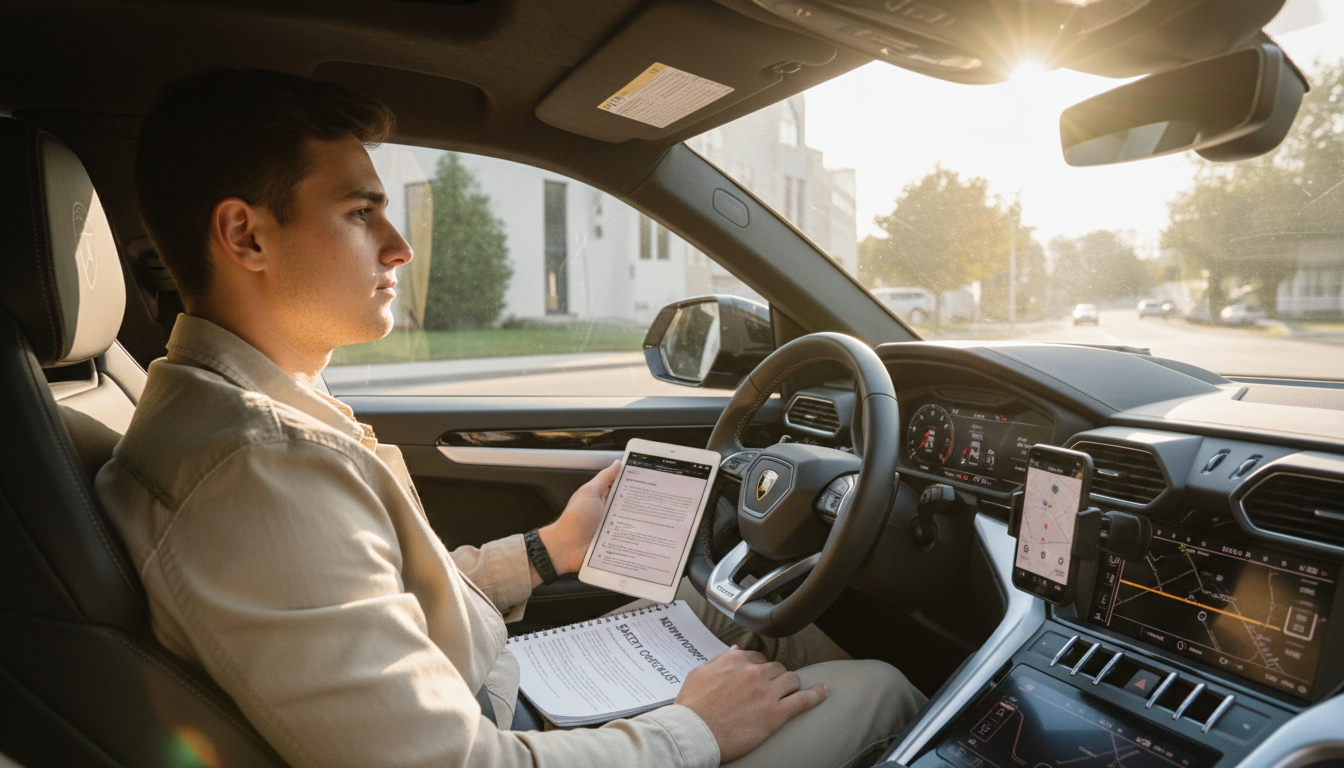
Below is a practical, step-by-step safety guide built around “smart awareness” and smooth speed control—skills that grow quickly when practice is structured and consistent. For additional support, a digital checklist-style resource can make each drive feel more like a plan and less like a test.

Who This Guide Helps (and When It’s Most Useful)

  • Brand-new drivers practicing with a parent, guardian, or instructor
  • Licensed beginners who feel nervous driving alone, at night, or on faster roads
  • Drivers returning after a long break who want a structured refresher
  • Teens and adults preparing for road tests, first commutes, or unfamiliar routes
  • Anyone who wants a quick, printable-style checklist for each drive

If confidence drops the moment the environment changes—rain, highway speeds, rush hour, or unfamiliar intersections—structured routines help more than “just drive more.” Short sessions with one clear goal beat long drives with scattered attention.

The “Smart Awareness” Habit Loop

Awareness isn’t a personality trait; it’s a loop you run repeatedly. New drivers do best when the loop stays consistent from driveway to destination.

  • Set up before moving: seat and steering wheel comfortable, mirrors set, seat belt on, and distractions off (phone away; audio and navigation set).
  • Use a consistent scan pattern: far ahead, near space, mirrors, and blind spots at predictable intervals.
  • Name the main risk out loud during practice drives: examples: “car merging,” “pedestrian near curb,” “stale green light.” This trains attention without panic.
  • Keep a space cushion that matches conditions: traffic density, visibility, and road surface matter as much as the posted limit.
  • Re-check after every change: lane change, speed change, intersection, or a sudden shift in traffic flow.
Simple scanning rhythm for beginners

Driving situation Where to look first Quick follow-up checks
Straight road, light traffic 12–15 seconds ahead Mirrors every 5–8 seconds; sides at intersections
City streets Crosswalks and lane edges Mirrors; parked-car doors; cyclists near curb
Highway Far ahead and lane flow Mirrors; blind spot before lane changes; merge zones
Rain/night Headlight reach and reflections Mirrors; reduced speed; increased following distance

For broader safety context on new drivers, crash risk, and protective habits, review resources from NHTSA, the CDC, and the IIHS.

Speed Control Without Panic Braking

Most “panic moments” start with speed that’s a little too high for what the driver can see and process. Smooth speed control is really time management—creating enough seconds to observe, decide, and act.

  • Match speed to visibility: choose a pace that allows stopping within the visible, clear roadway (especially at night or in rain).
  • Use smooth inputs: gentle acceleration, early braking, and steady steering reduce last-second corrections.
  • Try the “early lift” technique: ease off the accelerator earlier when approaching lights, curves, school zones, or congestion. You’ll often need less braking.
  • Watch for speed drift: check your speed after hills, merges, and when leaving slower zones.
  • Remember posted speed vs. safe speed: weather, traffic, sightlines, and road surface can lower what’s reasonable.

A simple rule for beginners: if you find yourself braking hard often, start your planning earlier and increase following distance so braking can stay light and gradual.

Beginner Driver Checklist: Before, During, After

Before driving

  • Adjust seat and mirrors; buckle up; confirm fuel and clear visibility (defrost, wipers, headlights).
  • Pick a low-stress route that matches today’s practice goal (not the hardest route “to get it over with”).

During driving

  • Keep eyes moving; maintain a consistent following distance; signal early.
  • Communicate with predictable positioning (steady lane placement, stable speed, clear intentions).

Intersections and lane changes

  • Intersections: slow early; check left-right-left; watch for turning vehicles and pedestrians; avoid rushing yellow lights.
  • Lane changes: mirror check, signal, head check, move smoothly, cancel signal, rebuild space cushion.

After driving

  • Write down one improvement goal for next time (smoother stops, earlier scanning, calmer merges).

Common New-Driver Mistakes (and What to Do Instead)

Using the eBook as a Step-by-Step Skill Builder

If you want a structured, skim-friendly format you can review before a drive and debrief afterward, see Learning the Road the Smart Way – New Driver Safety Guide (Digital Download).

Quick Safety Reminders for Real-World Conditions

Digital Download Details and What You Get

Optional add-on for routines that support focus and steady energy during busy weeks: Healthy Meal Plan & Recipe Collection (Digital Download).

FAQ

How can a new driver build confidence quickly without taking unsafe risks?

Use a gradual practice ladder: repeat the same low-stress route until it feels automatic, then add one new challenge at a time (busier traffic, higher speeds, night). Keep sessions short, focus on one skill per drive, and write one quick debrief note for the next trip.

What’s the easiest way for beginners to control speed smoothly?

Scan farther ahead and use the “early lift” technique—ease off the accelerator sooner so you can brake earlier and lighter. A bigger following distance also reduces the need for sudden stops and helps speed stay steady.

Is this guide useful after passing the driving test?

Yes. It works as a real-world habits refresher for commuting, highway driving, night/rain conditions, and reducing nervousness when driving solo, especially when you want consistent routines instead of guesswork.


Was this article helpful?

Yes No
Leave a comment
Top

Shopping cart

×