
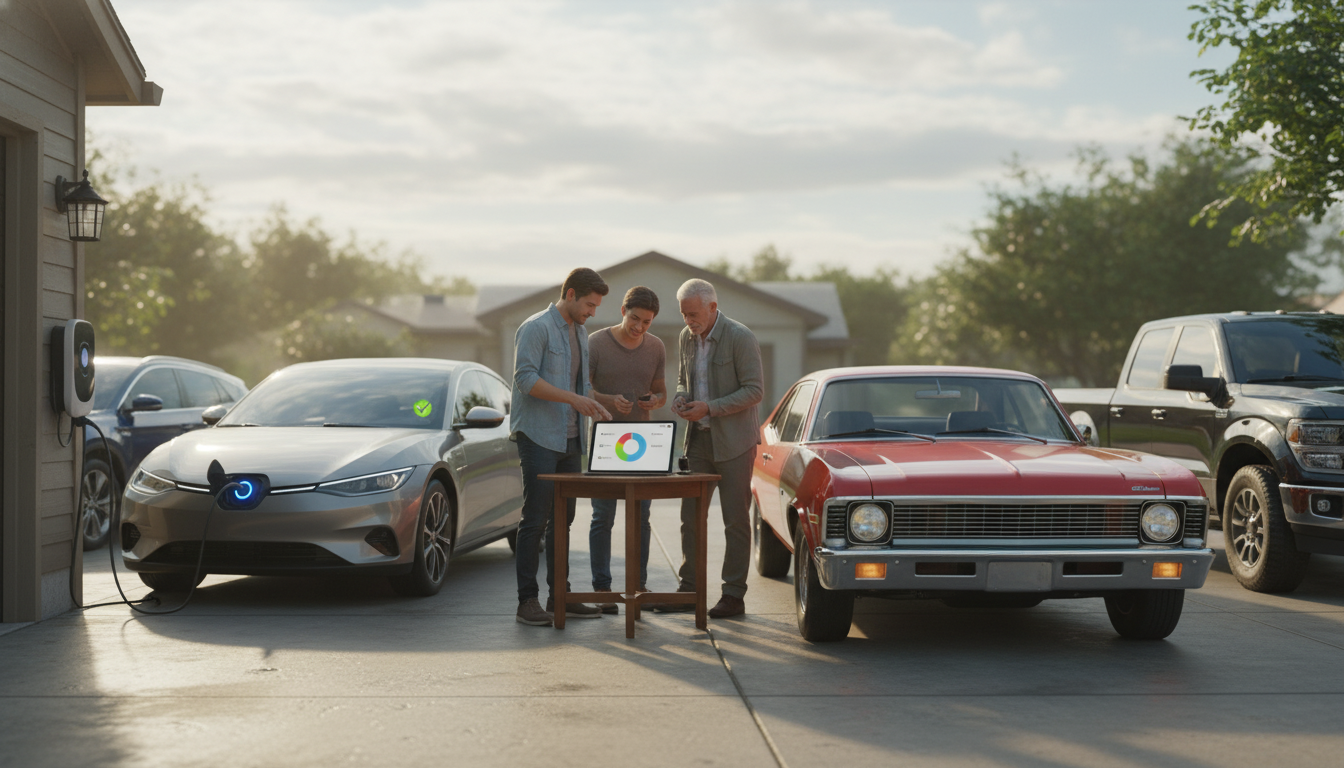
Choosing a powertrain is less about hype and more about matching your daily driving, budget, and local fueling/charging reality. The goal is to avoid the most common regret: buying a vehicle that’s “great on paper” but annoying (or expensive) to live with. Use the checklist below to compare gasoline, diesel, hybrid, and EV options based on what actually affects your week—time, access, maintenance, climate, and resale confidence.
Before comparing mpg or range, get specific about how you drive. A powertrain that excels at one pattern can be mediocre (or frustrating) in another.
If your driving is mostly short, repeated trips with frequent stops, hybrids and EVs typically feel strongest. If it’s long highway miles or towing, diesel or efficient gas powertrains may stay simpler—depending on access and upkeep.
Access is the fastest way to eliminate an option. A “perfect” EV without reliable charging can become a weekly hassle. Likewise, diesel advantages fade if stations are scarce on your routes.
| Fuel type | Best-case access | Red flags to confirm before buying |
|---|---|---|
| Gasoline | Stations everywhere; fast fill-ups | Price volatility; lower efficiency in heavy city driving |
| Diesel | Great for frequent highway miles and towing | Fewer stations in some areas; higher maintenance sensitivity (DEF, emissions equipment) |
| Hybrid | No charging required; strong city efficiency | Highway-only drivers may see smaller gains; battery replacement is a long-term consideration |
| EV | Home charging = daily convenience; quiet and quick torque | No reliable home/work charging; frequent long trips with limited fast-charging; extreme cold range impact |
Comparing MSRP alone hides the costs that show up month after month. A realistic comparison includes energy, fees, and wear items.
Helpful tools for cost comparisons include FuelEconomy.gov calculators and the EPA Green Vehicle Guide for efficiency and emissions context.
Powertrain choice isn’t just about cost—it changes how the vehicle feels and how predictable it is in your climate.
For EV charging basics and station planning, the U.S. Department of Energy’s Alternative Fuels Data Center is a practical reference.
If you tend to drive with gear—kids’ sports equipment, work tools, or road-trip luggage—daily convenience matters too. A small add-on that helps many drivers is an easy-to-grab security accessory like the 2-in-1 Bike Cable Lock with Built-In Taillight for quick lock-ups when traveling with bikes or e-scooters.
Gas, Diesel, EV? Your Quick Fuel Checklist (digital download) is designed to make the decision feel clear before committing to a specific vehicle.
Hybrids usually deliver the biggest gains in stop-and-go driving, so the advantage can shrink on steady highway cruising. That said, results vary by model, speed, terrain, and how often traffic slows—checking real-world mpg reports against your specific route is the most reliable way to judge.
Winter range can drop noticeably, and the impact varies widely by temperature, driving speed, trip length, and how much cabin heat is used. Planning around worst-case days—and using preconditioning, seat heaters, and Level 2 charging when possible—helps keep winter use predictable.
Diesel tends to make the most sense for frequent long highway miles, towing, and heavier-duty use where its torque and cruising efficiency can pay off. It’s typically a poor match for mostly short urban trips, since modern emissions systems often need proper driving cycles and consistent maintenance.











Leave a comment