Reusable Adjustable Suede Cloth Pocket Diapers (One-Size 6–33 lbs): Fit, Function, and Care
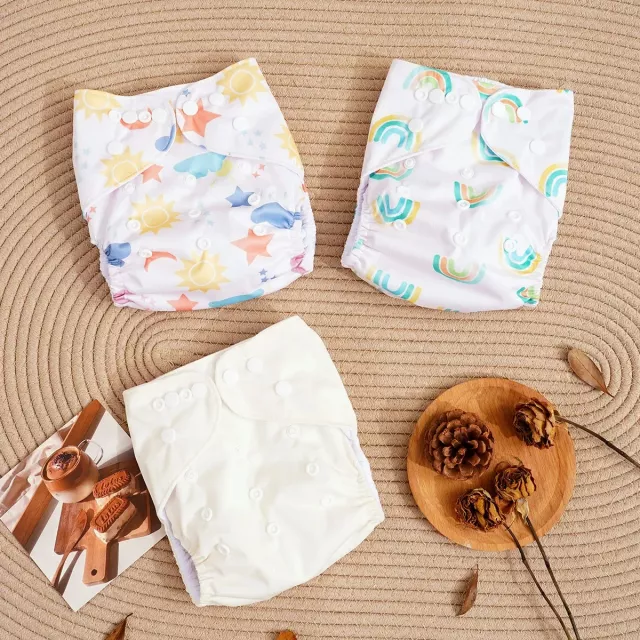
Reusable pocket diapers with a suede-cloth lining are designed to help babies feel drier while letting caregivers customize absorbency with inserts. This one-size, adjustable style aims to cover the main diapering window from about 6–33 lbs using snaps and rise settings, making it a practical choice for everyday changes at home or on the go.
What a suede-cloth pocket diaper is
A pocket diaper is built as a two-part system: a waterproof outer shell and a stay-dry inner layer, with a “pocket” opening where absorbent inserts slide in and out. That design makes it easy to adjust capacity without changing the whole diaper.
- Pocket design: a shell with an opening for inserting absorbent pads, then removing them for washing and faster drying.
- Suede-cloth inner layer: a soft, drier-touch fabric that helps move moisture away from the skin so baby feels less wet between changes.
- Reusable system: wash and re-use the cover; swap insert materials or thickness based on output and how long you’ll be away from a changing area.
- One-size adjustability: snap settings change the rise (height) and waist to follow growth stages, reducing the need to buy multiple sizes.
One-size fit for 6–33 lbs: how the adjustments work
Getting a reliable fit is mostly about matching the rise to baby’s torso and then dialing in the waist and legs. A pocket diaper that’s “snug but not tight” tends to leak less and stay more comfortable.
- Rise snaps shorten or lengthen the front panel so the diaper sits correctly from belly to back.
- Waist snaps fine-tune the circumference for security without pinching.
- Leg opening fit: aim for a gentle seal around the thighs; use the two-finger rule at the waist and look for no gaps at the legs.
- Common checkpoints: good coverage below the belly-button area, no “winging” at the hips, and even tension left/right.
Quick fit guide by weight range (general starting points)
| Baby weight |
Rise setting (typical) |
Waist/hip approach |
Notes |
| 6–12 lbs |
Shortest rise |
Tighten waist; check leg seal |
Bulk from inserts is more noticeable; change promptly |
| 12–20 lbs |
Middle rise |
Balance snug waist with room for movement |
Often the easiest stage for one-size fit |
| 20–33 lbs |
Longest rise |
Loosen waist; ensure back elastic sits flat |
Use higher absorbency for longer stretches |
Absorbency: choosing and stuffing inserts
The pocket style is popular because absorbency can be tailored in seconds. If leaks happen, the fix is often as simple as changing the insert combo or adjusting where the absorbency sits.
- Daytime setup: one insert is often enough for regular changes; add another layer for heavier wetters.
- Nighttime or long outings: layer inserts for higher capacity, keeping in mind that more layers add bulk and can affect fit.
- Placement matters: keep the insert flat and positioned toward the front for stomach sleepers, or more centered/back for back sleepers.
- Avoid overstuffing: too much bulk can push the leg elastics outward, creating gaps that lead to leaks.
- Change intervals vary: during the first week with any cloth system, check more frequently to learn baby’s patterns and your insert limits.
Leak prevention and comfort checks
Even a well-stuffed diaper can leak if the seal is compromised or if moisture “wicks” onto clothing. A quick fit check after fastening can prevent most problems.
- Do a “leg sweep”: run a finger around the leg elastics to pull inner fabric inward and reduce wicking.
- Keep clothing out of the seal: onesies or pants tucked into the leg opening are a common cause of persistent leaks.
- Watch for compression leaks: tight leggings, a snug carrier, or car-seat pressure can squeeze moisture out of saturated inserts.
- Rash and heat: change promptly, keep wash routines consistent, and allow airflow when possible. For general diaper rash guidance, see the American Academy of Pediatrics (HealthyChildren.org).
- If redness appears at elastics: loosen one snap row, confirm the rise isn’t too short, and ensure the diaper isn’t twisted at the hips.
Care and washing routine (simple and repeatable)
Choosing reusable options can also help reduce household waste over time; the U.S. Environmental Protection Agency (EPA) offers practical background on waste reduction.
What’s included and what to have on hand
Who this style tends to suit best
Featured items
FAQ
How many pocket diapers are typically needed for a full-time rotation?
If washing every 2–3 days, many families like having about 18–30 pocket diapers to stay comfortable during growth spurts, daycare days, and unexpected extra changes. Younger babies usually need more changes per day than older babies, so having a few extras helps avoid running out between wash loads.
Do suede-cloth pocket diapers work for overnight?
They can work overnight, but most babies need higher absorbency (often two inserts) plus a carefully sealed leg fit to prevent leaks. Expect more bulk, and watch for compression leaks if pajamas or sleep setups press tightly against the diaper.
Why is the diaper leaking around the legs even when it feels snug?
Common causes include overstuffing (which pushes the leg elastics outward), inner fabric not tucked in after fastening (wicking), clothing caught in the leg seal, or a rise setting that’s too short or too long for baby’s shape. If leaks appear gradually over time, worn elastics can also be a factor.
Recommended for you









Leave a comment