
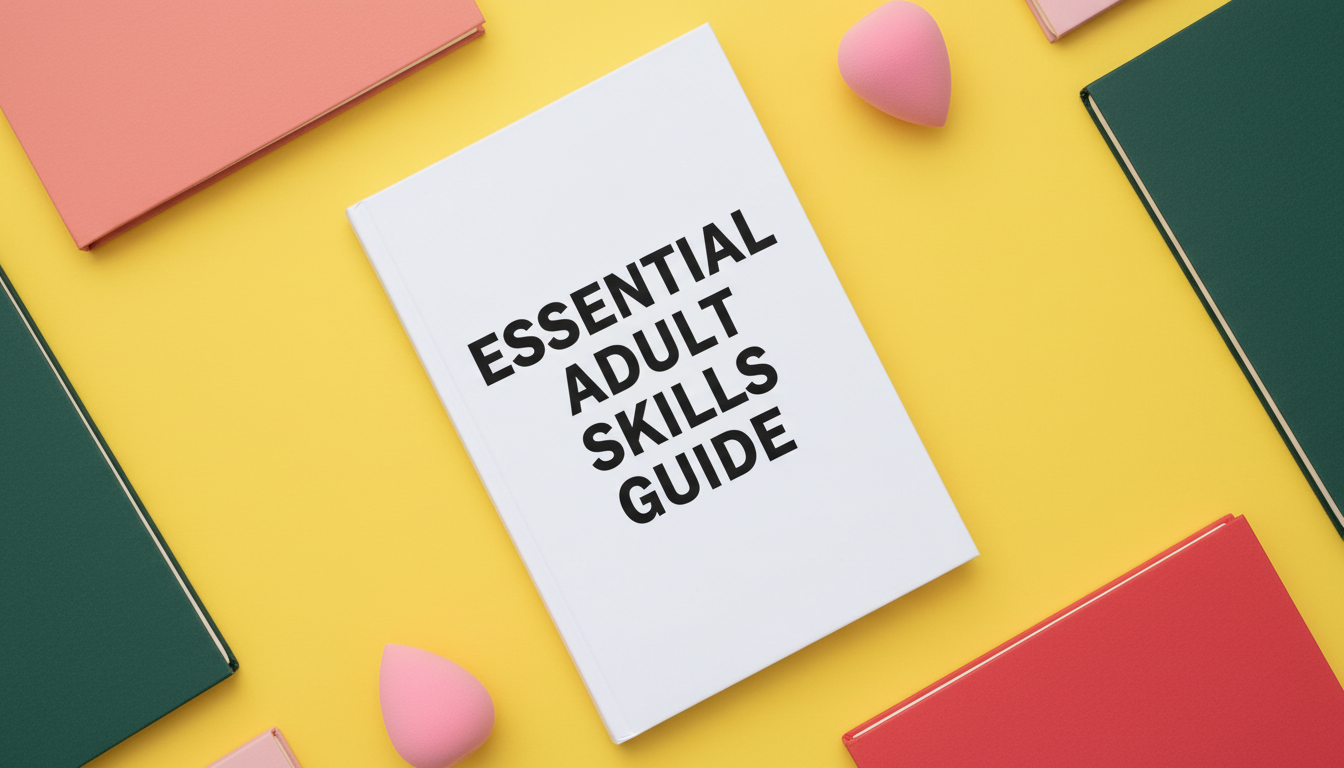
Adulting gets easier when the basics are organized into repeatable habits: clear money rules, stronger communication, smarter media judgment, and simple systems for daily life. The goal isn’t perfection—it’s stability you can count on. Below is a practical skill set you can use immediately, plus a weekly routine that fits real schedules.
The most reliable way to feel “on top of things” is to build small systems that run even when motivation doesn’t. Focus on repeatable steps—then let willpower be the occasional bonus, not the foundation.
A good budget doesn’t require tracking every penny or having the same income every month. It requires visibility, a few strong rules, and a short check-in that keeps you from drifting.
| Step | What to do | Outcome |
|---|---|---|
| 1. Update balances | Check checking, savings, and credit card balances | Clear view of what’s available |
| 2. Review upcoming bills | Look 7–10 days ahead for due dates | No surprises or late fees |
| 3. Categorize recent spending | Scan transactions and tag the top 3 categories | Spot patterns quickly |
| 4. Make one adjustment | Move money, pause one spend, or set a limit | Small course correction |
| 5. Plan one money task | Call a provider, cancel a subscription, or set an autopay | Progress without overwhelm |
For more budgeting tools and worksheets, the Consumer Financial Protection Bureau (CFPB) is a strong, trustworthy starting point.
Clear communication is a life skill because it saves time, prevents resentment, and makes it easier for other people to help you. The biggest upgrade is swapping mind-reading for clarity.
Online information is useful—but it’s also engineered to trigger fast reactions. Media literacy is the habit of slowing down just enough to keep your choices (and accounts) safe.
For scam alerts and prevention basics, use the Federal Trade Commission (FTC). For evaluating news and source credibility, Media Bias/Fact Check can help you understand patterns of reliability and bias.
| Day | Focus | One small win |
|---|---|---|
| Sunday | Plan + reset | 15-minute money check-in and calendar review |
| Monday | Work/school clarity | List top 3 priorities; schedule one focus block |
| Tuesday | Home logistics | Laundry or a 20-minute tidy zone |
| Wednesday | Admin tasks | One call/email: billing, appointment, or subscription |
| Thursday | Relationships | Check-in message or plan a low-key connection |
| Friday | Future self | Prep weekend errands; set out essentials for tomorrow |
| Saturday | Recovery + errands | Shop with a list; rest without screens for an hour |
If you want a structured reference you can come back to, the Essential Adult Skills Guide is designed for practical, everyday skill-building across money, communication, media judgment, and personal organization.
To make routines stick, it helps to reduce friction: quick reminders, easy scheduling, and simple check-ins. A wearable can help some people keep the weekly reset and admin tasks on track—especially with alerts and calls on the go—like the Rugged AMOLED Smartwatch with 3D Curved Display & Bluetooth Calling.
Prioritize a basic spending plan, a short weekly money check-in, clear communication (specific asks and boundaries), and a simple weekly reset routine. These habits reduce emergencies and improve follow-through quickly.
Use a 15-minute weekly check-in, focus on a few key categories, and set spending caps for your biggest problem areas. Automating bills and savings matters more than perfect tracking.
Pause before sharing, verify with reputable sources, and watch for urgency or emotional manipulation. Avoid unknown links and never share one-time passcodes or sensitive info without independently confirming identity.












Leave a comment