HomeBlogBlog100 Quick-Release Oscillating Blades for Clean Cuts

100 Quick-Release Oscillating Blades for Clean Cuts

100 Quick-Release Oscillating Blades for Clean Cuts

100-Piece Oscillating Saw Blade Set for Fast, Clean Cuts in Wood, Plastic & Metal

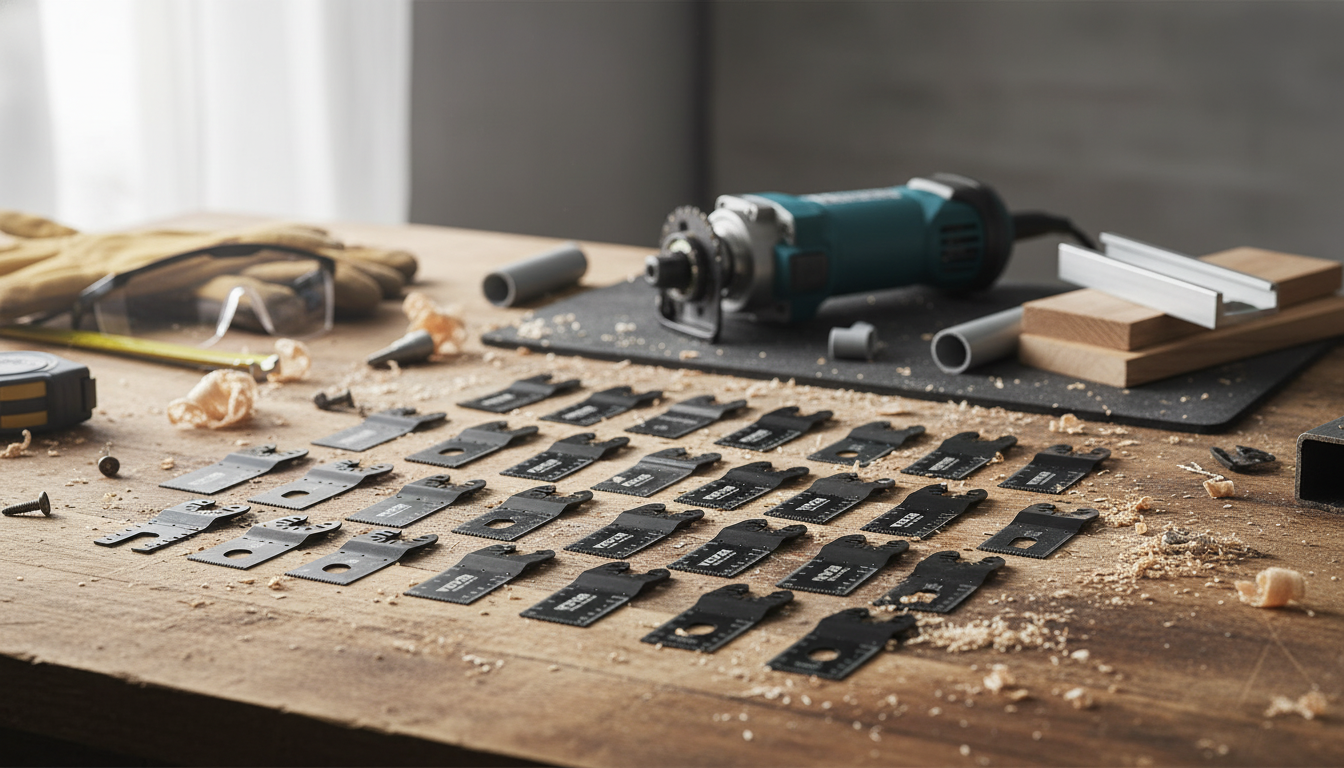
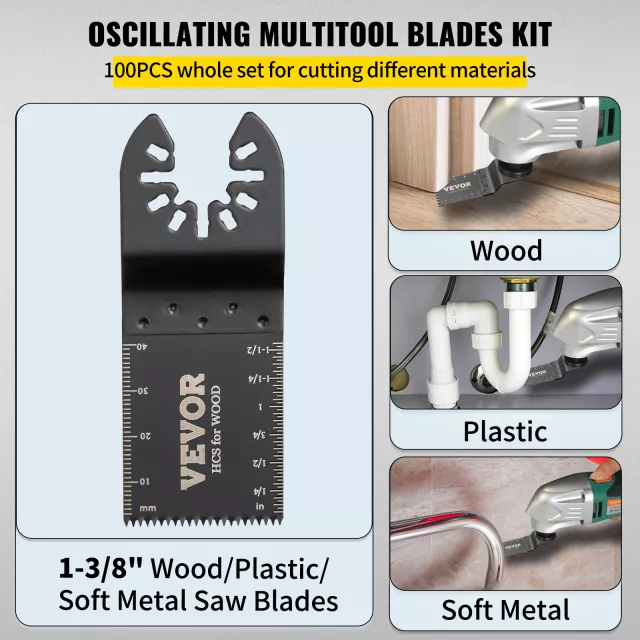
An oscillating multitool can handle plunge cuts, trimming, scraping, and detail work—if the blade matches the material and the job. A well-rounded blade assortment helps keep projects moving, whether you’re fitting flooring, opening drywall for an electrical box, or trimming plastic pipe in a tight cabinet bay. The 100-Piece Oscillating Saw Blade Set – Quick-Release Multitool Blades for Wood, Plastic & Metal is built for exactly that: having the right style ready so you can cut, trim, and flush-cut without constant store runs.

What’s Included and What Each Blade Type Is For

A mixed oscillating blade set is most useful when it covers the “everyday cuts” that pop up in home repairs and workshop work. With a large assortment, it’s easier to dedicate the right blade to the right material (instead of forcing one blade to do everything and burning it out early).

  • Mixed blade assortment: A broad selection helps handle common cuts in wood, plastic, and metal without stopping mid-project.
  • Quick-release style: Faster swaps matter when a job involves repeating steps—plunge, trim, flush-cut, then adjust and repeat.
  • Real-world use cases: Undercutting door jambs, notching baseboards, cutting drywall openings, trimming PVC, and dealing with nail-embedded wood.

Quick-Release Fit and Tool Compatibility

“Quick-release” can mean different mounting interfaces depending on brand and tool generation. Before buying any oscillating blades, confirm your multitool’s mount style and whether it supports universal-fit accessories.

  • Check the tool’s mount: Look at the head of your multitool (or the manual) to confirm the blade interface your model uses.
  • Keep an adapter handy: If your tool supports a universal-fit adapter, store it in the case so you’re not stuck when changing blades on the jobsite.
  • Seat and align before tightening: Make sure the blade is fully seated and rotated to the intended angle; good alignment reduces chatter and helps cuts track straighter.

Material-by-Material Cutting Guidance

Oscillating tools shine in tight spaces, but clean results come from matching blade type, speed, and feed pressure to the material.

Wood

  • Faster plunge cuts: Use a more aggressive tooth pattern when speed matters (subfloor openings, rough cutouts).
  • Cleaner trim lines: Slow your feed rate and cut in controlled passes, especially on visible trim.

Plastic (PVC/ABS/acrylic)

  • Reduce melting: Run at a moderate speed; high speed can soften plastic and smear the edge.
  • Clear chips often: Pause and pull out slightly to eject debris so the kerf stays open and the edge stays crisp.

Metal (nails, thin sheet, brackets)

  • Use metal-rated blades: A metal/bi-metal style is built for fasteners and thin metals.
  • Let the teeth work: Too much force creates heat, dulls teeth faster, and can discolor the blade.

Mixed materials

  • Wood with embedded fasteners: Switch to a nail-tolerant blade (metal/bi-metal or multi-material) to reduce tooth damage and keep cuts predictable.

Blade choice by task

Task Recommended blade type Practical tip
Plunge cut in plywood or drywall Wood/multi-material oscillating blade Start at a slight angle, then level the tool once the kerf is established
Flush-cut door jamb for flooring Flush-cut wood blade Use a spacer (scrap flooring) as a height guide
Trim PVC pipe or plastic edging Fine-tooth/multi-material blade Run at moderate speed to limit melting; pause to clear debris
Cut nails/screws in wood Metal or bi-metal blade Use light pressure; stop if the blade turns blue (overheat)
Notch baseboards/trim Fine-tooth wood blade Score the line first, then deepen the cut in passes

How to Get Cleaner Cuts and Longer Blade Life

Oscillating blades wear mainly from heat and side-loading. A few technique tweaks can noticeably improve edge quality and blade longevity.

Common Projects This Set Can Support

Safety and Control Basics for Oscillating Tools

  • Eye protection: Chips and filings can eject at odd angles, especially during plunge cuts.
  • Hearing protection: Longer sessions can exceed safe exposure levels; follow guidance from NIOSH on power-tool noise.
  • Clamp small workpieces: Holding a piece in the cut line invites slips and gouges.
  • Let the tool stop fully: Set it down only after it stops oscillating to prevent skittering and surface damage.
  • Check for hidden hazards: Before plunge cutting into walls, floors, or cabinets, verify the area is clear of wires and pipes; general guidance is available from OSHA hand and power tool safety resources.

When It’s Time to Replace a Blade

Product Snapshot

Item Details
Product 100-Piece Oscillating Saw Blade Set – Quick-Release Multitool Blades for Wood, Plastic & Metal
Price 38.51 USD
Availability In stock

More In-Stock Picks

FAQ

Will these quick-release blades fit any oscillating multitool?

Compatibility depends on your multitool’s blade mount interface. Check your tool’s mounting style and confirm whether it supports a universal-fit adapter; keeping the adapter in your case helps prevent downtime mid-job.

Can the same blade cut wood with nails in it?

Wood with embedded nails is best handled with a metal/bi-metal or multi-material blade designed to tolerate fasteners. Use lighter pressure, slow the feed rate, and swap blades once the teeth start to dull to avoid wandering cuts and burning.

What speed should be used for plastic and metal?

For plastics, moderate speeds help reduce melting and edge smear; pause to clear chips so the kerf stays open. For metal, lower-to-moderate speed with light pressure helps control heat—let the teeth do the work rather than forcing the tool.

Was this article helpful?

Yes No
Leave a comment
Top

Shopping cart

×