
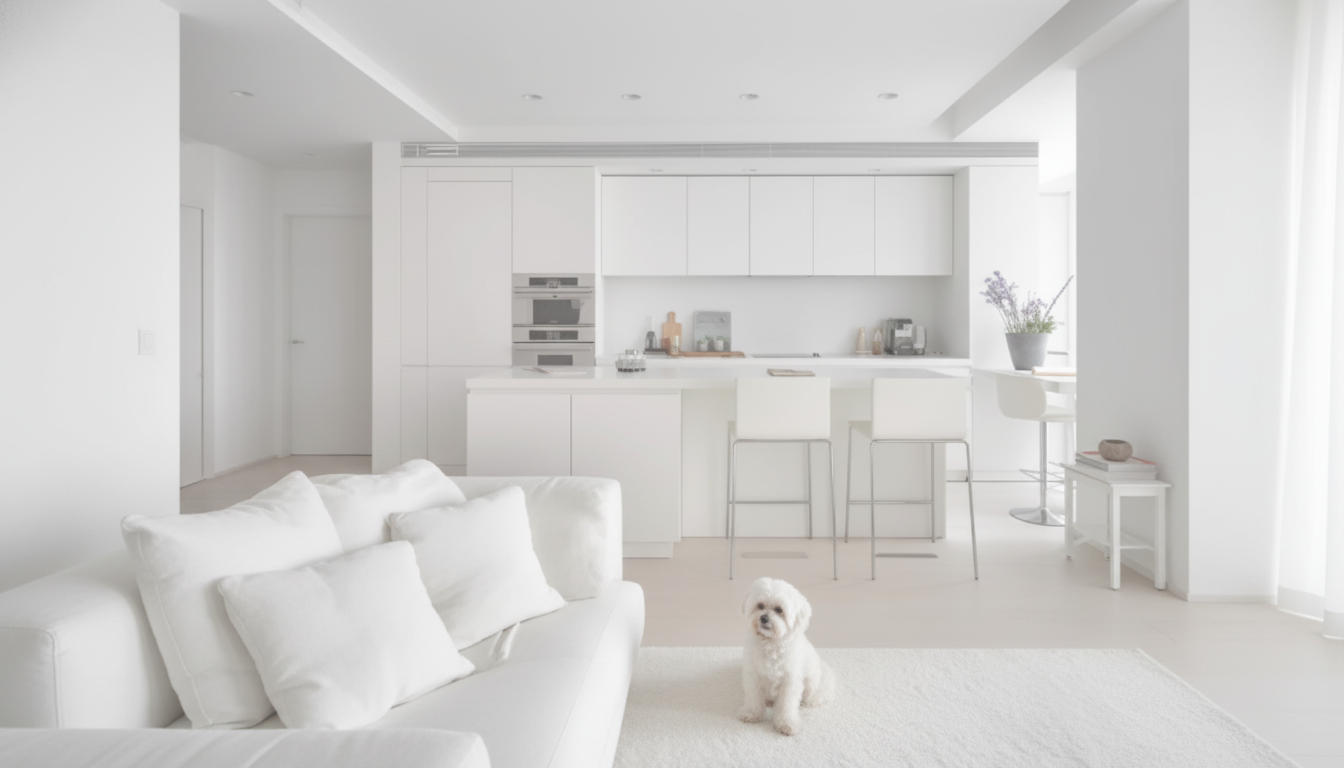
Multifunctional interiors make limited square footage feel calm, capable, and easy to live in. The goal isn’t to cram in more stuff—it’s to design a few flexible “modes” for everyday life (work, rest, hosting, hobbies) using smart layouts, convertible pieces, and simple rules for circulation, storage, and lighting. When your home can switch states quickly, it stops feeling like a constant project and starts supporting your routine.
Small spaces work best when they’re designed around what happens there, not what the room is called. Begin by listing the top 3–5 recurring activities—sleep, work, workouts, entertaining, kids’ play, crafting—and note when they happen. If two high-focus activities collide (a workday plus a loud hobby), you can plan separation through timing, storage, or lighting cues rather than adding furniture.
Next, define two states:
Choose one anchor per zone (a desk, a sofa, a dining surface, or a bed) and build flexibility around it instead of adding competing pieces. Finally, set success metrics that are easy to measure: clear walking paths, quick setup/tear-down time, and storage that prevents surface clutter from taking over.
Multifunctional design lives or dies by circulation. Protect your main pathways first so the space works even when furniture converts. A reliable “lane” from entry to kitchen, or from bed to bathroom, reduces the daily friction that makes a small home feel cramped.
| Checkpoint | What to look for | Simple fix |
|---|---|---|
| Walkway clarity | No tight squeeze points near doors or between zones | Rotate or slide one piece to open a straight path |
| Surface discipline | Every surface becomes a drop zone | Add a catch-all tray + one closed bin per zone |
| Vertical storage | Floor storage eating space | Add wall shelves or a tall closed cabinet |
| Convertible friction | Takes too long to switch modes | Reduce steps: fewer pillows, simpler folding, dedicated storage spot |
Keep the living area guest-ready by relying on a convertible sofa or daybed, nesting tables, and one closed media/storage unit. Closed storage prevents “visual noise,” so the room still reads as restful even when it’s doing a lot.
If you want a step-by-step framework you can reference while you reorganize, Spaces That Do More (digital download) is a practical guide for building flexible interiors and repeatable “reset” routines.
Lighting is one of the easiest ways to switch a space’s mood without moving furniture. Aim for layered lighting: ambient (overall), task (work/reading), and accent (mood). If overhead lighting is harsh or poorly placed, plug-in wall sconces and floor lamps create better control without major changes. For energy-efficient options and general guidance, the U.S. Department of Energy’s overview of lighting choices is a useful reference.
Small rooms can sound “hard” and echo-y. Rugs, curtains, upholstered seating, and fabric wall art reduce bounce and make the space feel more comfortable. Health and comfort go together, so it’s also worth keeping an eye on basics like ventilation and dust control; the EPA’s Indoor Air Quality guidance offers a solid starting point.
AI-assisted room planners and image-based visualizers can speed up decision-making by letting you test furniture sizes, traffic flow, and zone separation before you buy. The results are only as good as your measurements, so start with wall lengths, window/door locations, and fixed obstacles like radiators or vents. If you need a measurement reference standard, NIST’s U.S. Guide to the SI explains consistent unit use.
Finish with one small, intentional accent that makes the space feel styled (not purely utilitarian). A compact decor piece like the Golden Abstract Human Body Resin Sculpture can add personality without adding clutter.
A truly multifunctional space protects clear circulation, uses defined zones, relies on closed storage, and switches modes quickly. Fewer pieces that do more will feel calmer than many single-purpose items competing for the same footprint.
Use lighting zones and rug boundaries to signal “sleep” vs. “work,” and add a folding screen or curtain track for privacy when needed. A dedicated work bin or drawer lets the desk visually “close” after hours so the sleep zone feels separate.
They’re reliable for rapid concepts and comparing options, but accuracy depends on correct measurements and realistic furniture dimensions. Always verify clearances by taping outlines on the floor or checking a simple floor plan before committing.









Leave a comment