
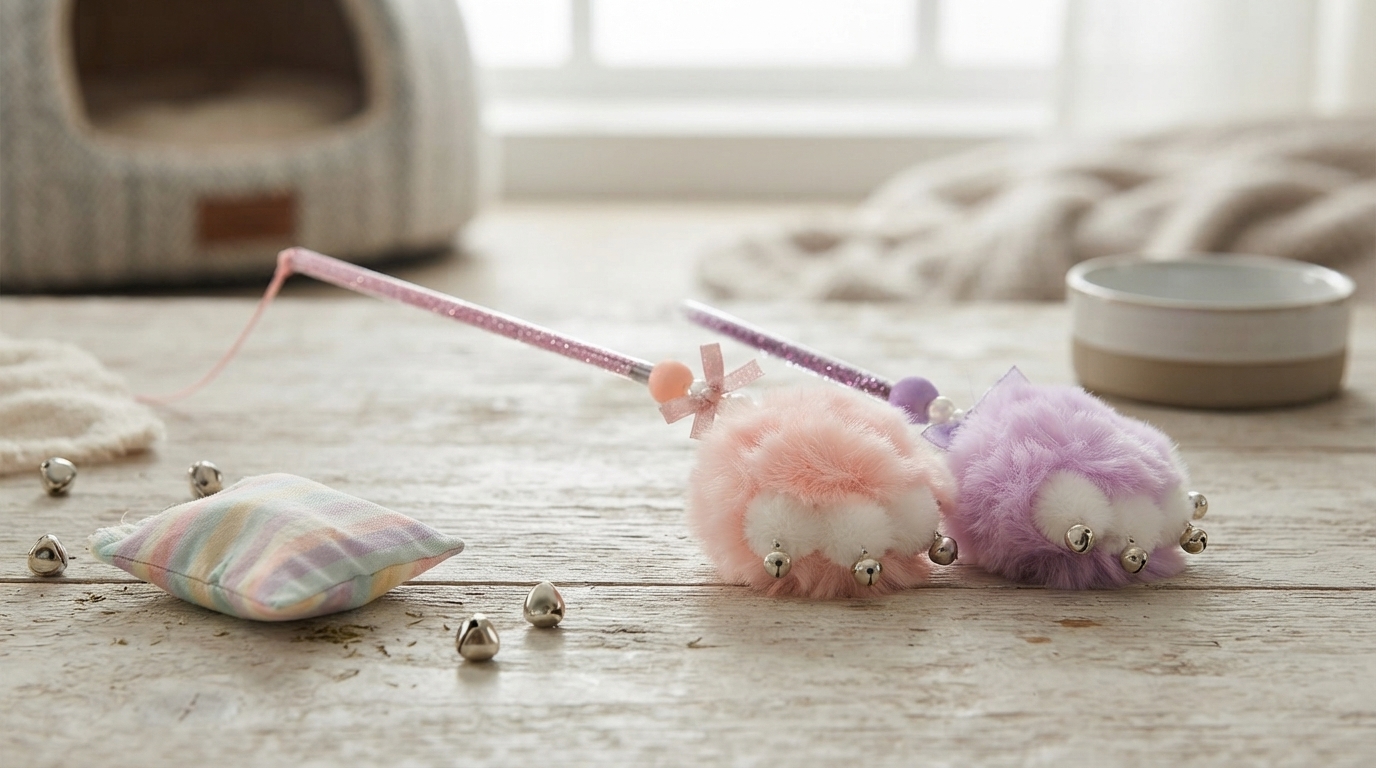
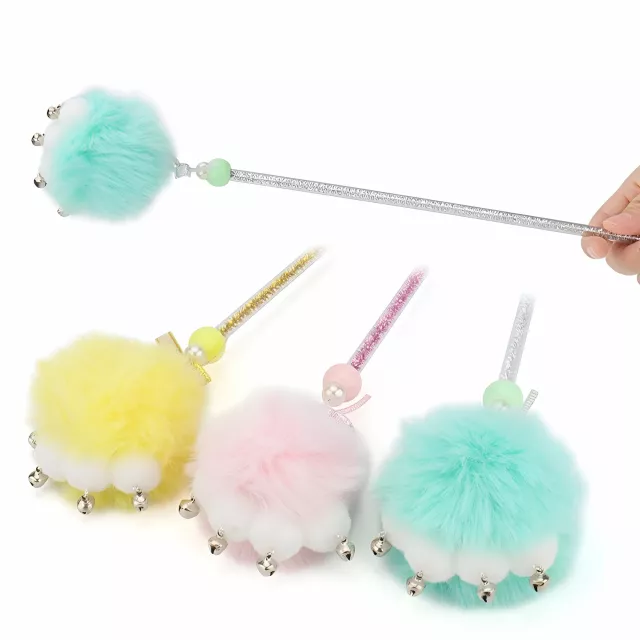
Turn everyday playtime into a satisfying hunt with a soft plush “paw” lure, gentle jingling bells, and a wand that helps keep hands at a safe distance from enthusiastic pounces. This 2-pack is ideal for rotating toys, multi-cat homes, or keeping a backup ready for daily interactive sessions. For more guidance, see [XLS] Sheet1 – The University of New Orleans.
If you’re building a simple enrichment routine for an indoor cat, a wand toy is one of the easiest ways to add movement, mental engagement, and bonding in just a few minutes a day. The plush texture encourages grabbing and bunny-kicking, while the bells add an extra layer of “Where did it go?” curiosity that keeps many cats locked in. For further reading, see [PDF] Cat Adoption Packets – SPCA of Wake County.
Having two wands sounds simple, but it can make daily play easier: keep one in the living room, one near your desk, or alternate them so the toy feels “new” more often. If one wand is temporarily out of rotation (or you’re washing up after a slobbery victory lap), you still have a ready-to-go backup.
| Use case | How to use the wand | What to watch for |
|---|---|---|
| High-energy cats | Fast ground darts, sudden stops, quick direction changes | Avoid repeated high jumps if your cat is older or overweight |
| Shy or timid cats | Slow drags near hiding spots, small peeks, let them “win” often | Keep sessions short; stop if ears flatten or tail lashes |
| Multi-cat homes | Alternate turns, use two wands to prevent resource guarding | Separate cats if play becomes tense or swatting escalates |
| Kittens | Short bursts with frequent breaks; encourage gentle catching | Supervise closely to prevent chewing on bells or string parts |
Many cats are motivated by a complete “hunt” pattern: watching, creeping, bursting into motion, then finally grabbing. Plush lures feel rewarding in the mouth and paws, and bells can keep the game going even when the lure disappears behind a chair leg for a second. For more guidance on building a supportive home environment, see the American Association of Feline Practitioners (AAFP) Feline Environmental Needs Guidelines and the ASPCA’s tips on enriching your cat’s life.
A reliable rhythm helps: a few low, slow “stalkable” movements to start; then a burst of speed; then a pause where the lure “hides.” When your cat catches the plush paw, let them hold it for a moment. That short victory makes future play more enthusiastic because the game feels fair.
Aim for 5–10 minutes per session, about 1–3 times a day. Let your cat catch the plush paw at the end, then follow up with a small treat or meal to help them wind down.
It’s best to store wand toys after supervised play. Leaving them out can increase the risk of chewing, tangling, or swallowing small components like bells or loose attachments.
Increase the distance by keeping the lure farther from your body, slow the movements, and redirect biting to the plush paw. If your cat is overstimulated, pause the session and restart later with shorter, calmer play.







Leave a comment