
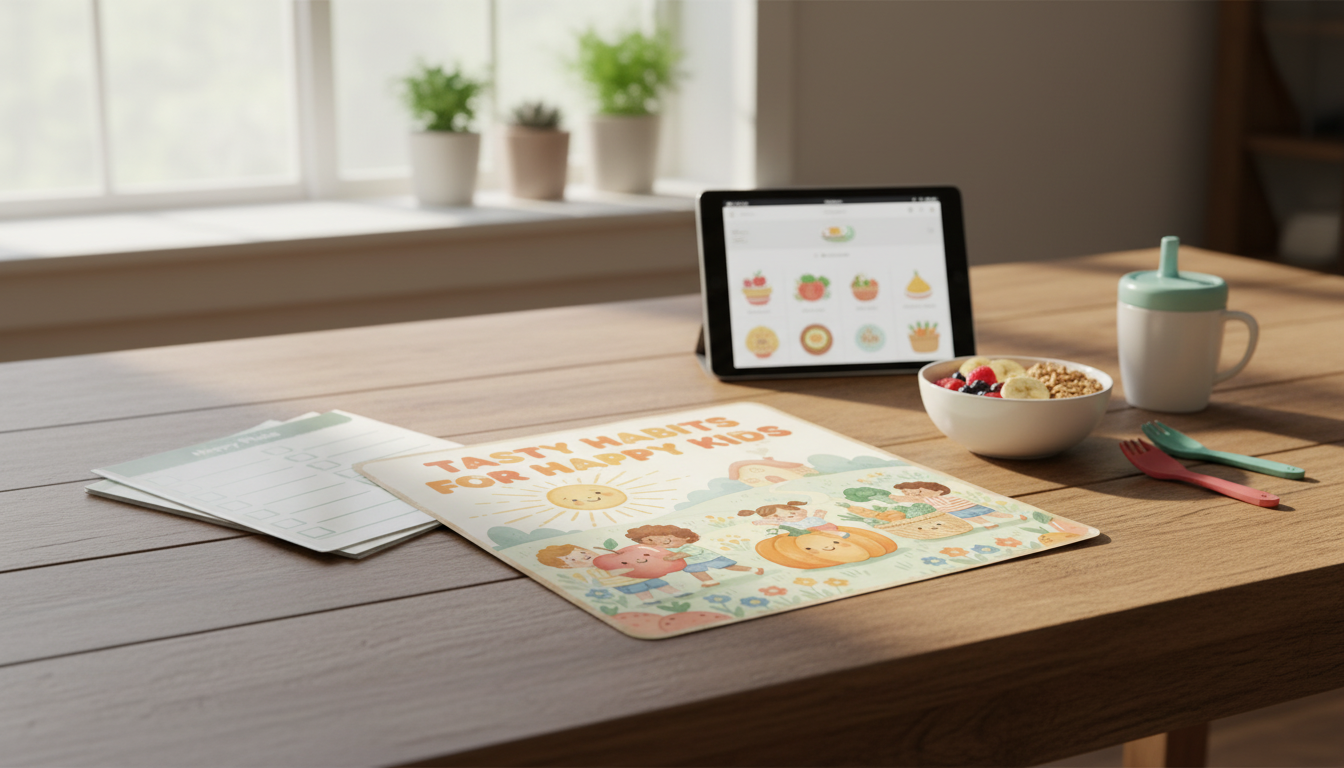
Healthy eating habits grow faster when mealtimes feel predictable, low-pressure, and doable for busy families. A printable checklist turns good intentions into small, repeatable steps—helping kids practice independence, explore new foods, and keep routines consistent at home, school days, and weekends.
Kids don’t build food confidence from a single “perfect” dinner—they build it from what happens again and again. When meals follow a familiar rhythm, kids get more chances to see foods, smell them, touch them, and eventually taste them without feeling cornered.
For broad, family-friendly guidance, the American Academy of Pediatrics offers practical nutrition resources for parents at HealthyChildren.org.
A checklist works best when it’s simple enough to use on a Tuesday night and flexible enough to follow during a hectic weekend. The goal isn’t tracking “good” or “bad” meals—it’s making the helpful actions visible, so they’re easier to repeat.
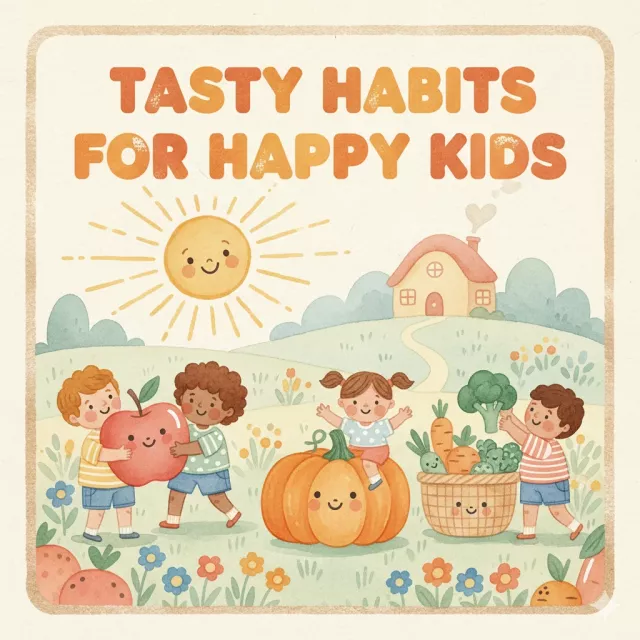
If you want a ready-to-print routine you can start today, see the Tasty Habits for Happy Kids printable checklist (digital download).
The fastest way to burn out a new routine is to try to change everything at once. Instead, treat the checklist like a menu: pick a few items that solve your biggest friction points, then add more later.
| Common challenge | Low-pressure habit to try | What to say |
|---|---|---|
| Refuses vegetables | Offer a “learning bite” plus a familiar safe food | “You can taste it or just keep it on your plate.” |
| Asks for snacks right after dinner | Add a consistent after-dinner option (water + fruit) or set a kitchen-closed routine | “Next food time is our planned snack.” |
| Only wants one favorite food | Serve the favorite alongside one small new or returning food | “Favorites stay on the menu, and we practice variety too.” |
| Mealtime takes too long | Set a predictable time window and a calm end routine | “Dinner is until the timer, then we clear together.” |
| Too many arguments at the table | Use a simple script + reduce attention to bargaining | “You decide how much. The menu stays the same.” |
A simple flow helps kids know what’s coming next. When the structure is consistent, children can spend their energy practicing skills—serving, tasting, chewing, noticing fullness—instead of testing boundaries at every step.
For kid-friendly balanced plate ideas that stay flexible, USDA’s guidance is a helpful reference: MyPlate for Kids.
Variety doesn’t have to mean complicated. AI-assisted idea lists work best when they keep your familiar structure intact—so the meal still “feels” the same to kids, even when ingredients rotate.
If you’re also working on toddler transitions beyond mealtime—like moving away from bottles—pairing routines can reduce stress. The Bye-Bye Bottle! toddler bottle-weaning checklist (digital download) can help keep that shift consistent across caregivers.
For additional nutrition resources and practical tips for families, the CDC also maintains a hub of information at CDC Nutrition.
It works well for toddlers through elementary ages. For toddlers, simplify to a few routine cues (sit, water, try) and for older kids, add responsibility-based items like serving a side or helping with cleanup.
It supports picky eaters by emphasizing low-pressure exposure, predictable routines, and calm language at the table. The habit-based approach helps kids practice trying and noticing hunger/fullness without forcing bites.
Use them to quickly generate meal and snack combinations, ingredient swaps, and variety prompts while keeping a familiar structure and realistic prep time. That way, kids get steady routines and caregivers get easier planning.









Leave a comment