

A low-risk side hustle becomes real when it moves from idea to a paid result. The fastest path isn’t building a big brand or a perfect website—it’s choosing a tight problem, shipping a minimum viable offer, setting a clear price, and running a simple funnel that earns the first “yes” without overbuilding or overspending.
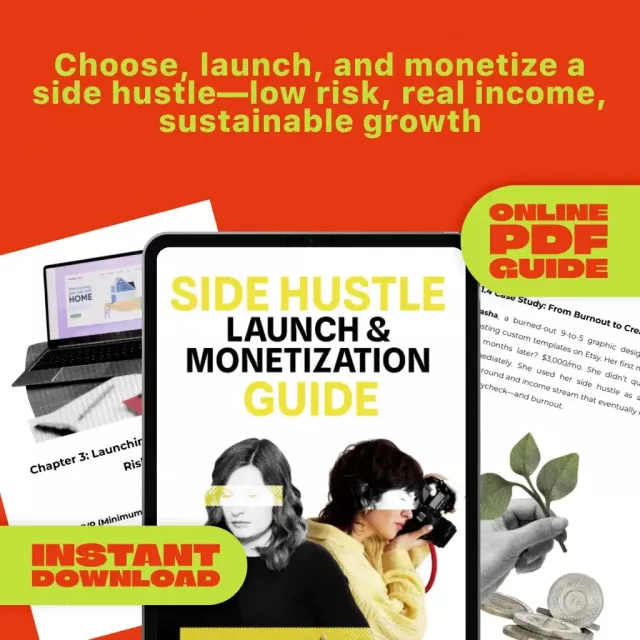
If you want a step-by-step, printable version of the full process (scripts, checklists, and a launch sprint), see the Side Hustle Launch & Monetization Guide – Low-Risk Startup Playbook.
Strong side hustles start with a narrow customer type and a specific moment of need—who needs help, when they need it, and why they would pay now. “Busy people” isn’t a segment. “New real estate agents preparing their first open house this month” is.
Use a simple structure you can repeat everywhere: “Help [who] get [result] without [pain].” It forces clarity. If the result can’t be explained in one sentence, it’s usually too broad for a side-hustle MVP.
Set constraints upfront so the project can’t sprawl: a 7–14 day time box, a budget cap you won’t regret, and one channel to test (one platform, one community, or one marketplace).
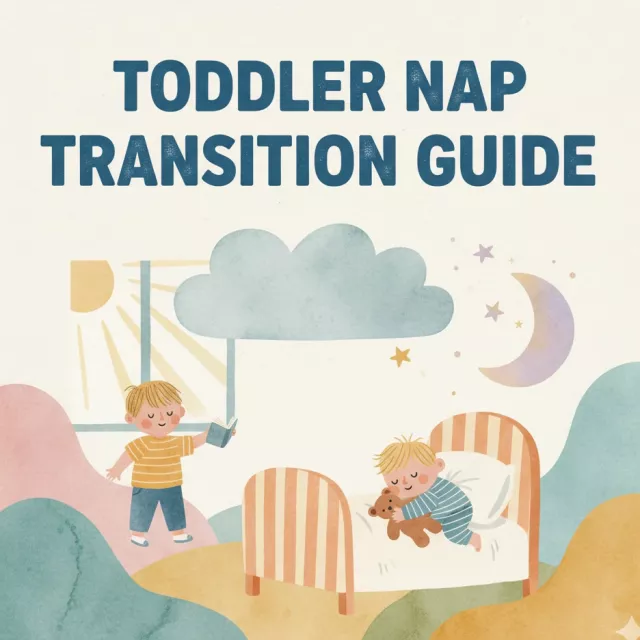
For speed, pick formats that don’t require months of development: a template, a checklist, a short coaching call, a done-for-you microservice, or a digital download. A simple example of a “tight problem + clear deliverable” digital download is Bye-Bye Bottle! Toddler Bottle-Weaning Checklist (Digital Download)—it promises a specific outcome and gives parents a structured plan they can use immediately.
Validation isn’t a logo test. It’s evidence that real people already spend money, feel urgency, and can say “yes” to a defined outcome. Do 10–20 fast conversations that focus on current behavior: what they’ve tried, what they’ve paid for, and what failed.
Proof signals to listen for: existing spending, a deadline (launch date, renewal date, event), compliance requirements, or clear revenue impact. Then draft a simple pre-sell message that states the result, timeframe, deliverables, and price. Track responses and objections—those objections become your landing page copy.
| Signal | How to test quickly | Go / No-go rule |
|---|---|---|
| Existing spend | Ask what tools/services were purchased in the last 6–12 months | Go if at least 3 people already pay for a similar outcome |
| Urgency | Ask what happens if the problem isn’t solved in 30 days | Go if consequences are concrete (lost money/time, stress, penalties) |
| Clarity of outcome | Repeat back the problem and proposed result; ask for a 1–10 fit rating | Go if average rating is 7+ and objections are about details, not value |
| Reachability | List where the audience already hangs out (groups, marketplaces, local networks) | Go if at least 2 channels can be accessed this week |
Your MVP is the smallest version of your offer that reliably delivers the promised outcome in one step for one customer segment. Keep it tight: 1–3 deliverables, one success metric (time saved, leads generated, task completed), and one clear finish line.
Write the delivery flow like a checklist: intake questions, turnaround time, and a simple quality review. This is how you protect your evenings/weekends while still delivering confidently.
You don’t need a portfolio site. You need proof that reduces uncertainty: one sample output, one before/after, or a mini-case from a pilot or personal use. If you’re service-first, document a single test project end-to-end and turn it into a one-page example.
For a quick refresher on the MVP concept (and why “minimum” matters), see Harvard Business Review’s overview: A Refresher on Minimum Viable Product.
Early pricing should help you learn fast without locking you into an exhausting delivery model. Choose a model that matches the work:
To reduce purchase risk, use a simple guarantee boundary (a short refund window, or a rework policy with a limit). Pricing frameworks and anchors are covered well here: Stripe Atlas Guides — Pricing strategies.
For practical planning basics that keep you compliant and organized as you grow, reference the SBA’s guidance: U.S. Small Business Administration — Plan your business.
A service-first or template-first MVP works best: a paid consultation, a small done-for-you deliverable, or a simple digital asset that solves one problem with clear scope limits and a delivery timeline.
A practical range is 10–20 conversations or 30–50 outreach messages. Viability shows up as existing spend, real urgency, and clear willingness to pay for the outcome you’re offering.
Start with one standard price tied to the customer’s alternatives (time, revenue, or current spend) and keep scope tight. Use a pilot discount only when it trades for feedback and proof, and add a simple guarantee boundary to reduce purchase risk.









Leave a comment