HomeBlogBlogWaterproof Hard-Shell Top Tube Bag for Daily & Long Rides

Waterproof Hard-Shell Top Tube Bag for Daily & Long Rides

Waterproof Hard-Shell Top Tube Bag for Daily & Long Rides

Waterproof Hard-Shell Bike Top Tube Bag for Everyday Rides and Long Routes

A top tube bag keeps essentials within easy reach without adding bulk to pockets or jerseys. A waterproof, hard-shell design adds extra protection for items like phones, keys, and compact tools while staying stable on rough pavement, gravel, and mixed terrain. For riders who prefer a tidy cockpit and fast access at stoplights, a rigid, weather-ready top tube bag can be one of the most practical upgrades on the bike.

What a hard-shell top tube bag does better

Soft bags are convenient, but a hard-shell top tube bag brings a few advantages that show up quickly once you start riding with it day after day.

  • Better crush protection: A rigid shell helps shield contents from compressive forces compared with soft-sided bags—handy for phones, sunglasses, snack bars, and other easily damaged items.
  • More predictable access: Because the bag maintains its shape, it’s easier to open and close with one hand when rolling slowly or when stopped at a light.
  • Less sag and knee interference: Flexible bags can bulge and droop when loaded; a structured bag is less likely to sag into the rider’s knees.
  • Cleaner exterior: A smoother shell typically wipes down faster after wet roads, dust, or gritty commutes.

Weather protection that matters on the road

“Waterproof” can mean different things across brands, so it helps to focus on the full system: shell material, zipper/closure design, and how you pack what matters most.

  • Shell + closure: Look for a water-resistant or waterproof outer shell paired with a zipper or flap design that reduces direct water entry during steady rain.
  • Smart placement: Hard shells can deflect road spray, and top-tube placement keeps storage away from the front tire’s heaviest splash zone compared with low-mounted, fork-area storage.
  • Extra insurance for electronics: For heavy downpours, place phones or wallets inside a small zip pouch as a second barrier.
  • Dry-out routine: After a wet ride, open the bag at home to vent moisture and help prevent odor buildup around the zipper and seams.

Fit, clearance, and mounting basics

Top tube bags are simple, but fit can make the difference between “set it and forget it” and constant annoyance. Before buying, think through clearance points and how your bike is built.

  • Top-tube length: Confirm there’s enough top-tube length so the bag doesn’t interfere with standing climbs, dismounts, or body movement when cornering.
  • Handlebar and stem clearance: The bag shouldn’t press into cables or rub the headset area when you turn the bars.
  • Stable attachment: Favor secure mounting points that minimize side-to-side sway on bumpy pavement and gravel.
  • Bolt-on compatibility: If the frame has top-tube bolt mounts, use them when available; otherwise, position straps securely and avoid pinching brake/shift housing.

Quick fit checklist before buying

Check Why it matters How to confirm fast
Knee clearance Prevents rubbing while pedaling out of the saddle Pedal standing and watch for contact at the bag’s widest point
Cable routing space Avoids shifting/braking friction and wear Turn bars left/right and ensure cables move freely
Stable mounting points Reduces sway and zipper stress Tug the bag side-to-side; it should feel anchored
Access with gloves Makes opening/closing easier in cold or rain Try gripping the zipper pull while wearing riding gloves

Storage planning: what fits best on the top tube

The top tube is prime real estate for small, frequently used items. Planning what goes where will keep the bag quiet, balanced, and easy to use.

Waterproof Hard-Shell Bike Top Tube Bag: highlights

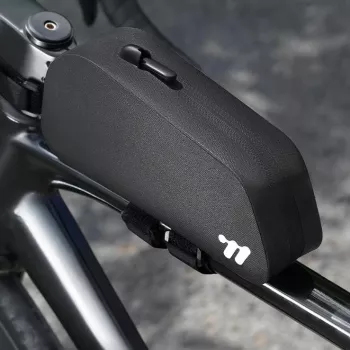
A hard-shell top tube bag is built for riders who want durable protection without sacrificing quick access. The Waterproof Hard-Shell Bike Top Tube Bag is a practical choice for commuting and longer routes where weather and road vibration can punish delicate items.

For urban stops or coffee breaks mid-ride, pairing a compact storage setup with a simple security option can be helpful. Consider adding the 2-in-1 Bike Cable Lock with Built-In Taillight to round out a commuter-friendly kit.

Setup tips for a quieter, more stable ride

Care and longevity

  • Gentle cleaning: Rinse off mud and road salt with a damp cloth; avoid harsh solvents that can degrade coatings. Park Tool’s guide to cleaning basics is a solid reference for routine care: Park Tool — Bicycle Cleaning Basics.
  • Dry thoroughly: Let the bag dry fully after rain to protect zipper performance and prevent mildew odors.
  • Inspect wear points: Periodically check straps and contact areas; replace worn straps early to avoid losing the bag mid-ride.
  • Zipper maintenance: Lubricate occasionally with a zipper-safe product if it starts to feel rough after dusty rides.

For riders building out a broader storage system beyond the top tube, REI’s overview is useful for understanding placement and bag types: REI Co-op — Bikepacking Bags: How to Choose.

FAQ

Will a top tube bag rub my knees while pedaling?

Knee rub usually comes from a bag that’s too wide or mounted off-center. Choose a shape that stays narrower near the rider, center it carefully on the top tube, and test by pedaling out of the saddle to confirm clearance.

Is a waterproof top tube bag fully submersible?

In most cases, “waterproof” means protection from rain and road spray rather than prolonged submersion. For extra protection in heavy rain, place electronics in a small secondary pouch and avoid letting the bag sit underwater.

How do I stop a top tube bag from wobbling or rattling?

Use all available mounting points, tighten straps evenly, and keep heavier items low and close to the frame. To reduce noise, pack with soft buffers around metal tools and add frame protection tape where movement could start.


Was this article helpful?

Yes No
Leave a comment
Top

Shopping cart

×