
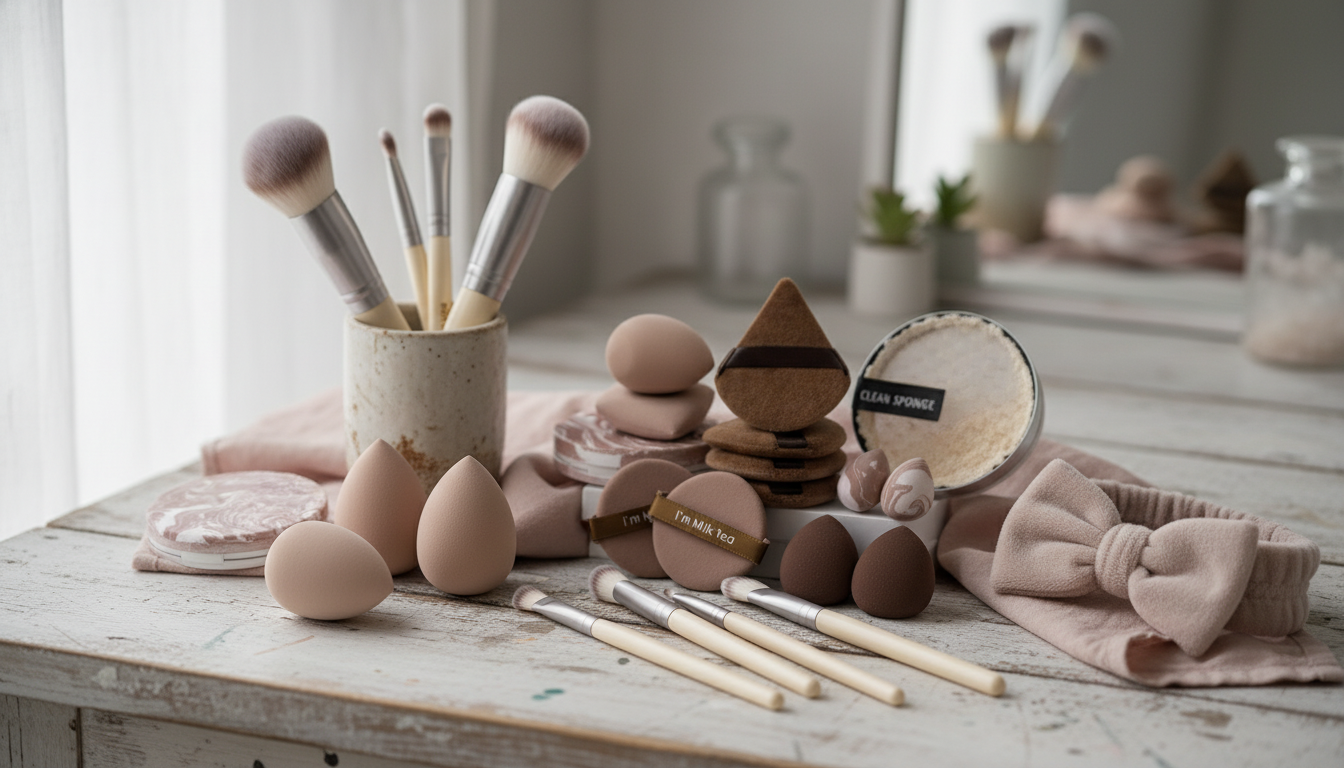
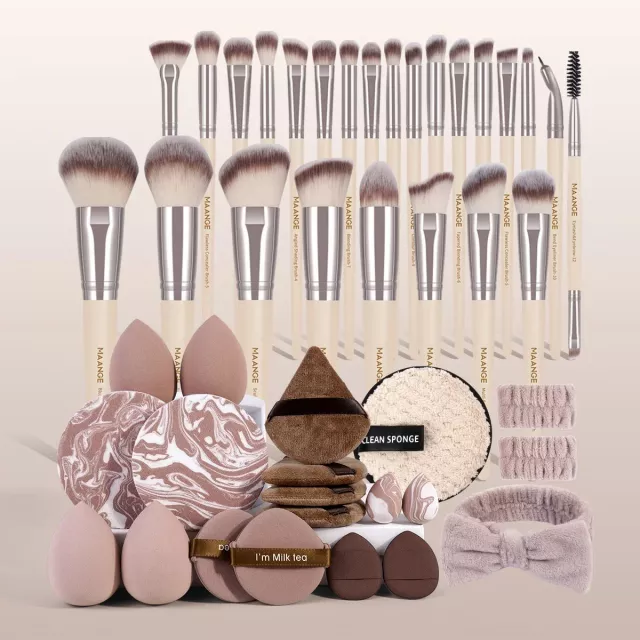
A full brush-and-puff kit can simplify everyday makeup by pairing the right tools with the right textures—powders, creams, and liquids—so blending looks smoother and faster. This 45-piece set covers face, eyes, and detail work, making it easy to build a routine, refresh a kit, or keep a backup for travel and touch-ups. For more guidance, see How to Do Your Makeup Like Barbie – Cortiva Institute.
A 45-piece kit typically gives enough variety to separate “base” tools from “detail” tools—helpful for keeping placements crisp (especially around the nose, under-eyes, and lash line) and for avoiding muddy blending. For further reading, see Foreign-Trade Zone (FTZ) 138, Notification of Proposed Production ….
| Tool type | Best for | Works well with |
|---|---|---|
| Large fluffy face brush | Setting powder, quick all-over blending | Loose/pressed powder |
| Dense buffing brush | Smoothing base and softening edges | Liquid/cream foundation |
| Angled face brush | Sculpting cheeks, bronzer placement | Powder bronzer/blush |
| Tapered highlight brush | Targeted glow on high points | Powder highlight |
| Flat shader brush | Packing color on the lid | Powder shimmer/matte |
| Fluffy crease brush | Diffusing shadow transitions | Powder eyeshadow |
| Small pencil/detail brush | Lower lash line, inner corner, pinpoint highlight | Powder/cream detail work |
| Makeup puff | Pressing powder to set and smooth | Loose/pressed powder |
If makeup feels inconsistent from day to day, it’s often a tool issue: using something too fluffy for liquids, too dense for powders, or too large for small areas. A mixed set helps you match the step to the tool instead of forcing one brush to do everything.
Clean tools don’t just look better—they perform better. Old product buildup can make blending patchy, and damp tools stored too tightly can develop odors.
For additional hygiene and cleaning guidance, see the American Academy of Dermatology Association’s recommendations on cleaning makeup brushes and general cosmetic safety information from the U.S. Food & Drug Administration.
If you’re refreshing a vanity area at the same time, a simple decor piece can make daily routines feel more organized and intentional—see the Golden Abstract Human Body Resin Sculpture for a sleek tabletop accent.
Wash frequently used face brushes and puffs about once a week, and clean sooner if you use liquid or cream products daily. Do quick cleans between shades (towel wipe or brush spray), then deep-clean with gentle cleanser and let tools dry fully—ideally laid flat—before storing.
They can, but results are usually better when you separate tools: denser brushes for creams/liquids and fluffier brushes for powders. If you switch formulas on the same brush, wash it first so leftover oils or pigments don’t cause skipping or patchiness.
Use minimal powder and press it only where creasing happens (typically the inner under-eye and smile lines) with a puff, then lightly sweep away excess with a small tapered brush. Hydrating prep and gentle tapping—rather than heavy sweeping—helps keep the area smooth.










Leave a comment