
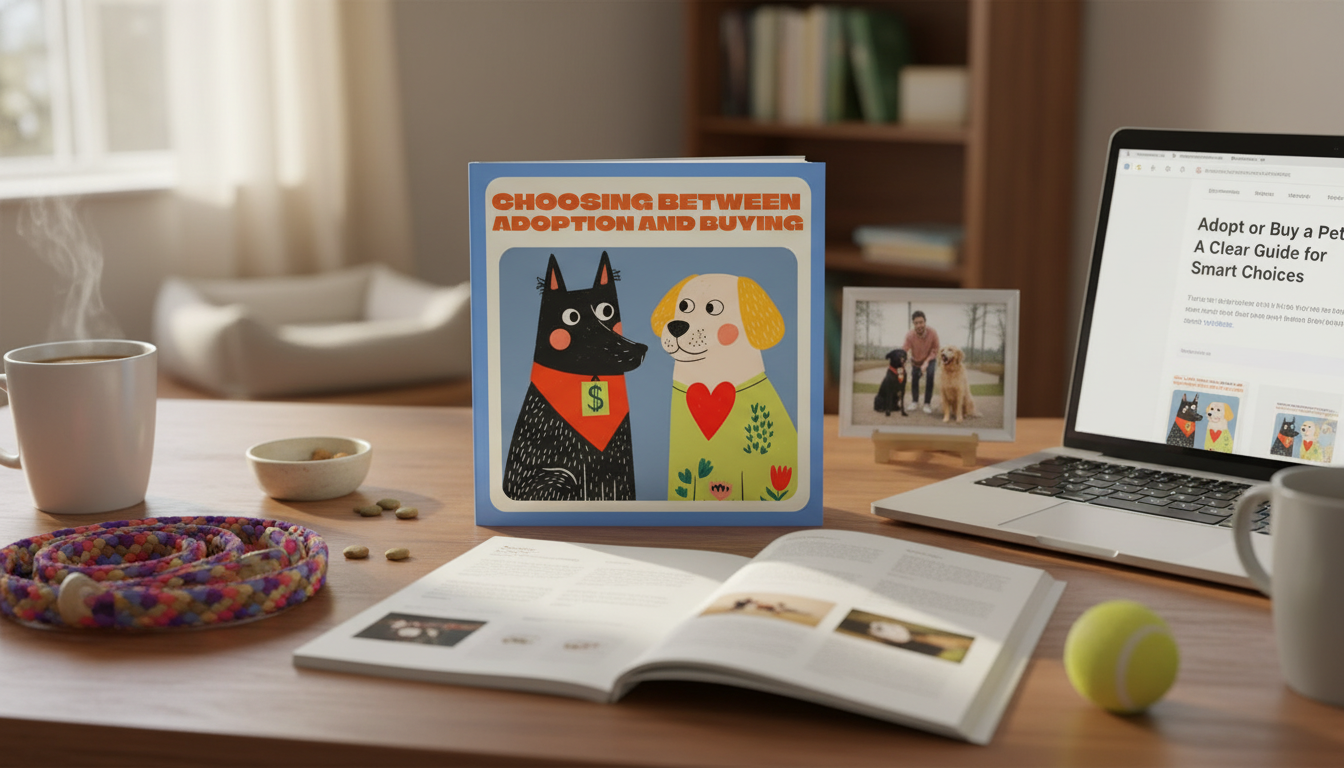
Deciding whether to adopt a pet or buy from a breeder can feel emotional, urgent, and confusing—especially when timelines, budgets, allergies, housing rules, and family needs all collide. The most reliable way forward is to get practical about what life with a pet will look like after the excitement wears off. Below are the real-world tradeoffs, the questions that prevent regret, and a simple framework to help match the right path to the right household. For more guidance, see 5 Reasons Why You Should Adopt, Not Buy, Your Next Puppy.
A “right” decision is less about where a pet comes from and more about day-to-day compatibility. Before browsing listings or scheduling meet-and-greets, define what success actually means for your home. For further reading, see Adopting vs. Buying: Why Adoption is the Better Choice.
If multiple people share the household, align on responsibilities early (feeding, walking, litter box, training practice, vet visits). A great match isn’t just a lovable animal—it’s a plan everyone can stick to.
Adoption can be an incredibly rewarding route, especially for families who are flexible and ready to meet a few candidates before deciding.
Many adopted pets settle beautifully with structure and time. It helps to think in terms of “decompression”: consistent routines, calm introductions, and gradual exposure to new people, pets, and environments.
For adoption guidance and what to expect from shelters/rescues, the Humane Society of the United States has a clear, practical overview.
Buying can make sense when predictability matters—such as specific coat type concerns, expected adult size, or a household schedule that needs a particular energy level. The key is responsible sourcing, not convenience.
Whether you’re considering a purebred or mix, the American Veterinary Medical Association (AVMA) offers a helpful checklist for selecting a pet with long-term wellbeing in mind.
| Decision factor | Adoption (shelter/rescue) | Buying (responsible breeder) |
|---|---|---|
| Upfront cost | Typically lower fees; may include spay/neuter and vaccines | Usually higher purchase price; medical/testing varies by breeder |
| Predictability | Temperament and health history may be incomplete | More predictable traits when responsibly bred and well-socialized |
| Timeline | Often faster, depending on availability and approval | May require waiting lists and planned litters |
| Support | Many rescues offer post-adoption guidance and resources | Good breeders provide lifelong guidance and take-back policies |
| Ethical considerations | Directly helps animals without homes | Ethical if supporting responsible breeding practices (not mills/backyard breeding) |
| Behavior/training needs | May need decompression and confidence-building; can be very rewarding | Puppies/kittens still require extensive training and socialization |
For families still deciding what pet fits their life and budget, the ASPCA guide to choosing a pet offers a grounded way to evaluate day-to-day realities.
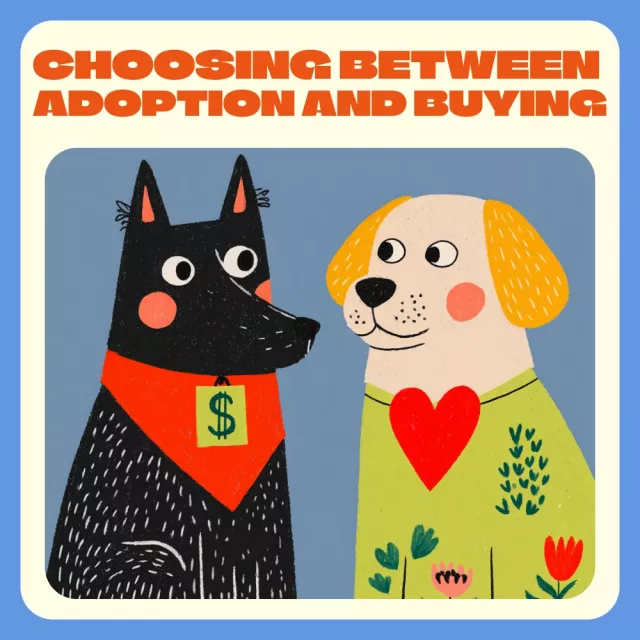
If the choice still feels emotionally tangled, a structured workbook can help turn instincts into criteria. Home or Heart: Choosing Between Adoption and Buying (digital download) is designed to translate your household’s priorities into a step-by-step decision supported by prompts and checklists.
For a few helpful add-ons while you plan and research, consider tools that support routines and accountability: a Rugged AMOLED Smartwatch with Bluetooth Calling can help track walks and activity goals, and a One-Handed RGB Backlit Mini Mechanical Gaming Keyboard can make quick note-taking and comparison shopping easier during the decision phase.
“Better” depends on your household’s needs and on responsible sourcing. Adoption directly helps animals without homes, while buying can be appropriate when you require specific predictability and you choose a reputable breeder with strong health and welfare standards.
Look for documented health testing, transparent living conditions, a written contract, a waitlist (not constant availability), clear socialization practices, and thoughtful screening questions for buyers. A strong sign is a take-back policy that ensures the pet can return to the breeder if circumstances change.
Ask for any medical history, behavior assessments, and foster notes, plus how the pet has done around kids, cats, and other dogs. Confirm the return policy and what post-adoption support is available if training or adjustment challenges come up.











Leave a comment