
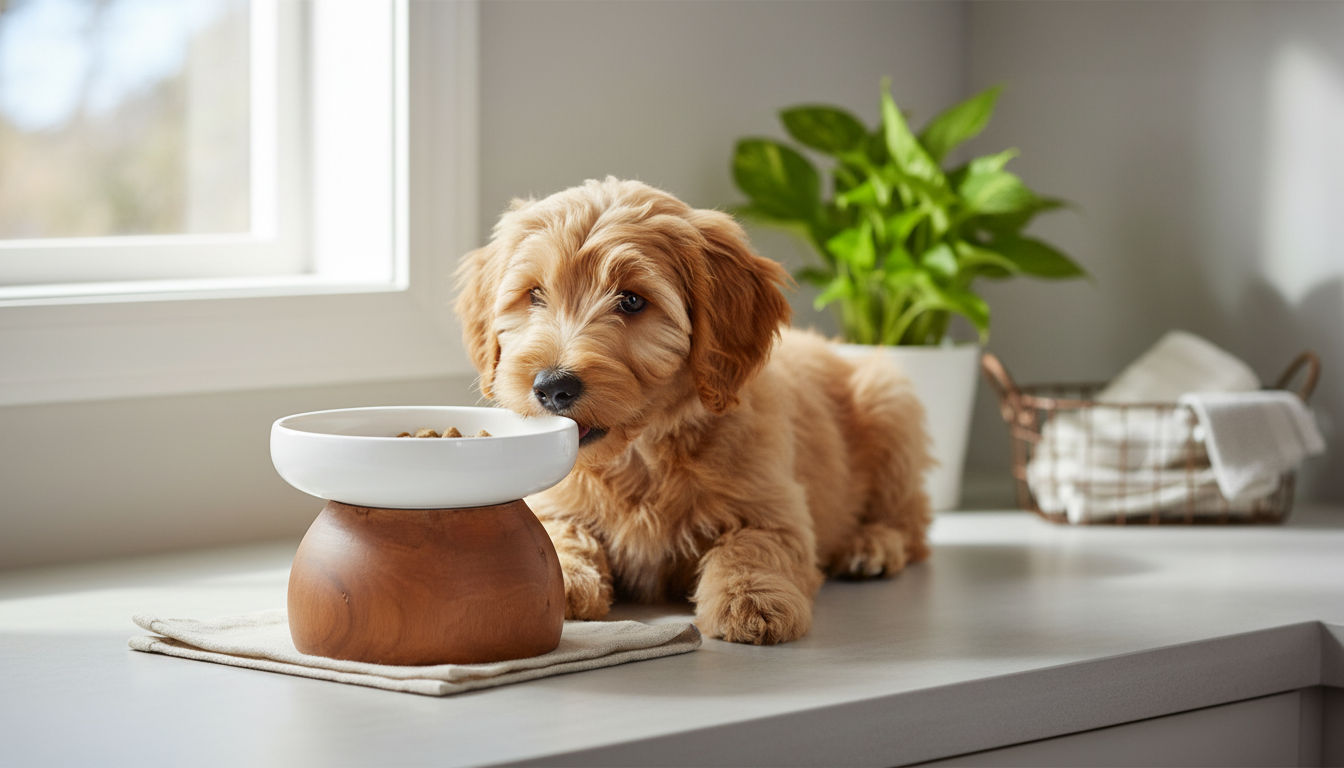
An elevated bowl setup can make daily feeding feel less messy and more organized—especially when it pairs easy-to-clean ceramic with a stable wood stand. Instead of chasing a sliding bowl across the kitchen or wiping water rings off the floor, you get a defined feeding spot that looks intentional and stays put. Below is a practical guide to what changes day to day, what to check on ceramic and wood components, how to place the station for fewer spills, and how to keep it hygienic with a simple routine.
For many homes, the biggest “upgrade” is not just height—it’s consistency. When the bowl always sits in the same cutout on a stand, pets tend to approach the same way each time, and cleanup becomes more predictable. This is especially helpful for enthusiastic eaters who push bowls forward, or for pets who drip water after a big drink.
| Material | Upsides | Tradeoffs | Best for |
|---|---|---|---|
| Ceramic | Stable feel; easy to wipe; often looks premium | Can chip if dropped; heavier | Home feeding stations where style and stability matter |
| Stainless steel | Durable; light; widely dishwasher-safe | Can slide if not in a holder; can show water spots | High-traffic feeding, travel backups |
| Plastic | Low cost; light | Can hold odors/scratches over time; may slide | Short-term or emergency spare bowls |
For hygiene, the goal is a smooth surface that cleans fully and doesn’t trap residue. If a ceramic bowl develops chips or hairline cracks, it’s worth replacing—tiny imperfections can make thorough cleaning harder. For general food-handling basics around pet feeding, the FDA’s guidance is a solid reference: FDA — Pet Food Safety.
A good stand is less about “fancy” and more about mechanics: it should sit flat, resist tipping, and keep the bowl centered. That centered fit matters if your pet nudges the rim or paws at food—when the bowl stays seated, the entire setup feels calmer and quieter. To protect the finish long-term, the simple habit that makes the biggest difference is wiping moisture quickly after spills.
| Area | What to watch | Simple fix |
|---|---|---|
| Hard floors | Sliding or drips | Add a feeding mat or non-slip pads under the stand |
| Carpet | Trapped crumbs/odor | Use a mat with a lip; vacuum around station often |
| Near walls | Splash marks | Leave a few inches of clearance; wipe wall weekly |
| Multi-pet homes | Resource guarding | Separate stations; keep water accessible to all pets |
Hygiene doesn’t need to be complicated—consistency matters more than intensity. A quick daily wash prevents odors from developing, and a weekly check of the stand’s base (especially on uneven floors) helps you catch wobble early. For broader pet hygiene reminders that support a clean feeding environment, the CDC’s general guidance is helpful: CDC — Healthy Pets, Healthy People.
| Item | What it includes | Good for |
|---|---|---|
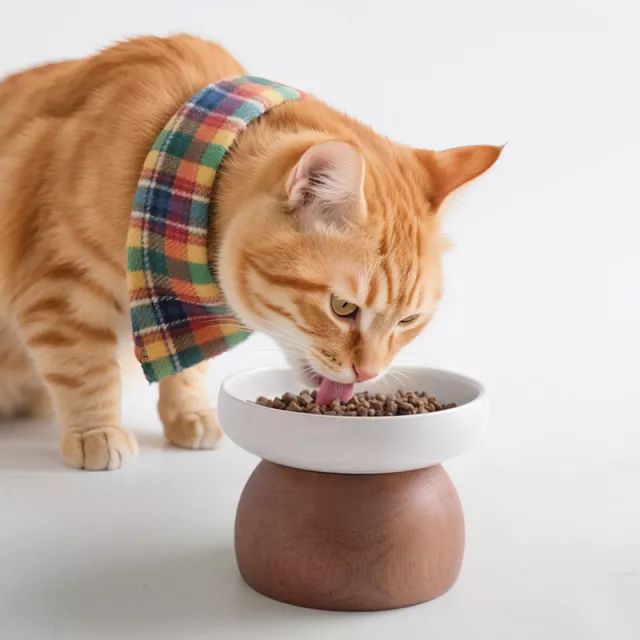
| Elevated Ceramic Pet Bowl with Solid Wood Stand | Ceramic bowl + solid wood stand | Cleaner feeding zone; stable setup; everyday home use |
If your home routine includes caring for both pets and little ones, these in-stock digital guides can also help simplify day-to-day transitions: Bye-Bye Bottle! Toddler Bottle-Weaning Checklist, Toddler Nap Transition Guide, and Healthy Meal Plan & Recipe Collection.
Many pets do fine with elevated bowls when the height is appropriate and the stand is stable. If your pet has specific health concerns or a history of digestive issues, it’s smart to ask your veterinarian what setup is best for them.
For food, daily washing is a good baseline to limit residue and odor. Water bowls should also be cleaned regularly, and ceramic should be checked for chips or cracks that can make sanitizing harder.
Wood can handle normal use best when spills are wiped up promptly and the stand is dried after cleaning. Using a waterproof feeding mat and periodically checking for swelling or finish wear helps keep the stand looking good.









Leave a comment