

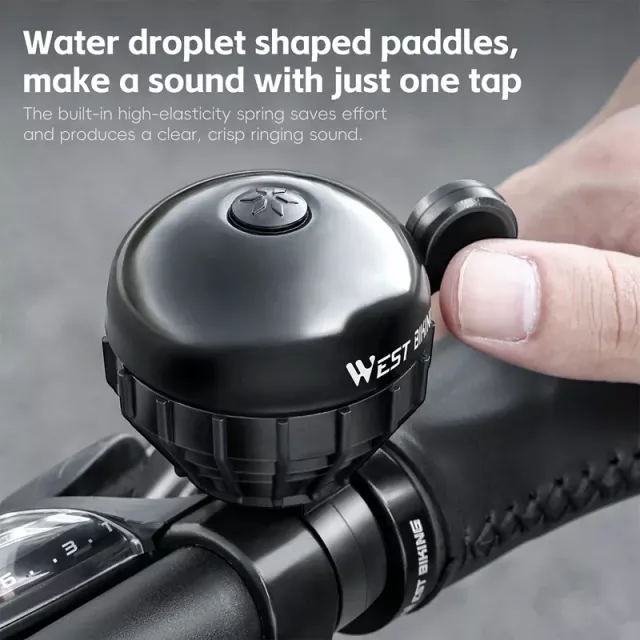
A small, well-placed bell can make everyday riding smoother—especially on shared paths and busy neighborhood streets. This compact aluminum thumb bell is designed for quick, one-handed use, a bright tone that cuts through ambient noise, and a minimal footprint that won’t crowd grips, lights, or shifters. For commuters, weekend cruisers, and e-bike riders alike, a bell is one of the simplest ways to communicate intent early and reduce the “surprise factor” when passing.
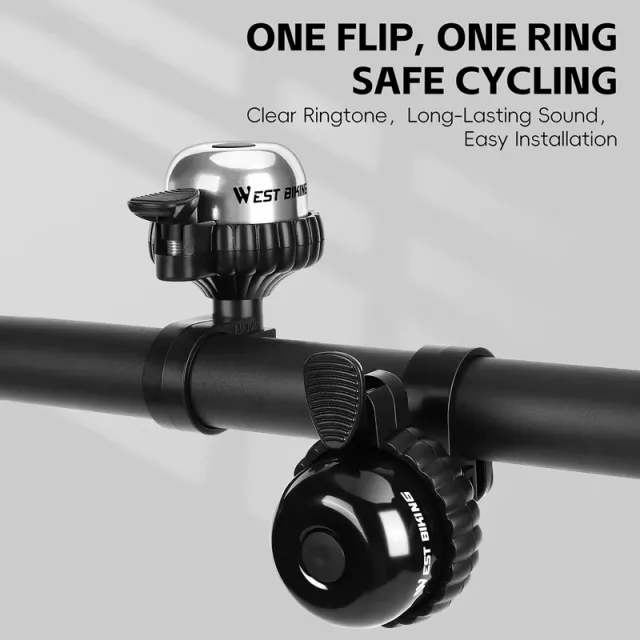
Plenty of bike bells ring, but a thumb bell is all about timing and control. Instead of reaching across the bar or changing your grip, the thumb lever sits where your hand already is.
Good signaling is also part of overall bike safety fundamentals. For broader tips on staying visible and predictable, see guidance from the League of American Bicyclists and the NHTSA.
Material choice affects how a bell holds up, how it sounds, and how it looks after months of real-world riding. Aluminum is a practical middle ground: lightweight, durable, and naturally resistant to the corrosion that shows up on frequently touched cockpit parts.
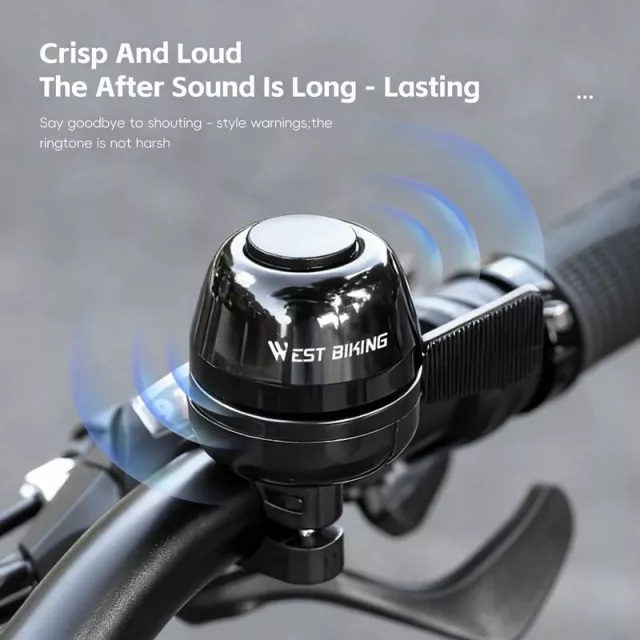
A bell works best when it communicates quickly and politely. A clear, bright ring can be heard without turning into an aggressive “get out of the way” blast.
Even a compact bell can feel awkward if it’s installed in the wrong spot. The goal is to place it within natural thumb reach without creating interference with shifting, braking, or accessory mounts.
| Checkpoint | What to confirm | Why it matters |
|---|---|---|
| Thumb reach | Lever triggers without changing grip | Faster, safer signaling |
| Control clearance | No contact with shifters/brake levers | Prevents accidental inputs |
| Accessory spacing | Room for lights/phone mount | Keeps cockpit organized |
| Cable routing | No pinched or rubbing cables | Protects shifting/braking performance |
| Riding positions | Works seated and out-of-saddle | Consistent use on climbs and sprints |
A bell earns its keep when situations change quickly. The most common wins come from being able to signal early, without drama, and without fumbling your grip.
For additional safety resources—especially for newer riders—the U.S. Consumer Product Safety Commission offers a solid overview of bicycle safety basics.
Most compact bells take up minimal bar space, but it’s smart to measure the open area near your grip and check clamp clearance. Do a quick test-fit to confirm it won’t collide with brake levers, shifters, or accessory mounts when you turn the bars.
Mount it close to the grip where your thumb naturally rests during relaxed riding. After tightening it down, confirm you can trigger the lever comfortably both seated and standing, without interfering with braking or shifting.
Wipe the bell occasionally to remove grit, and avoid overtightening the clamp, which can affect alignment. After wet rides, dry the cockpit area and periodically check fasteners—dirt buildup or misalignment is a common reason a ring becomes muted.







Leave a comment