
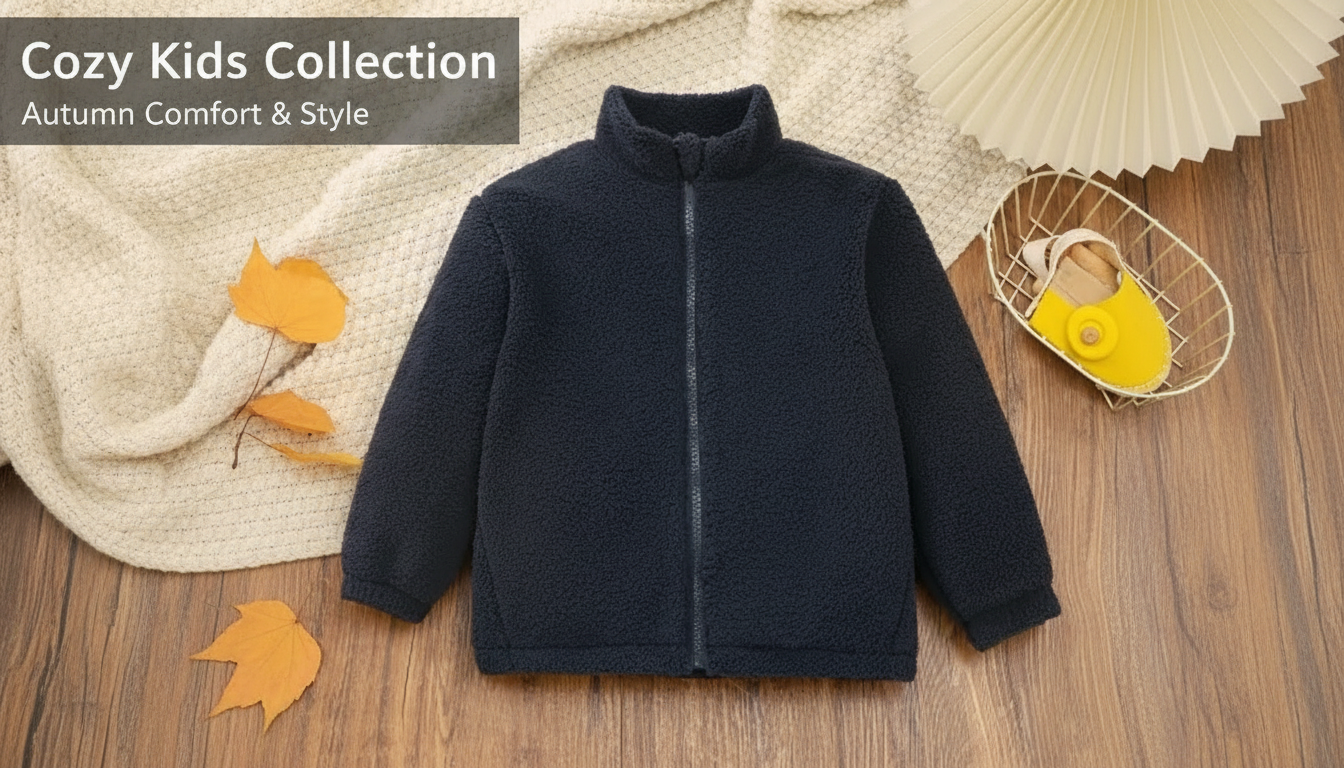
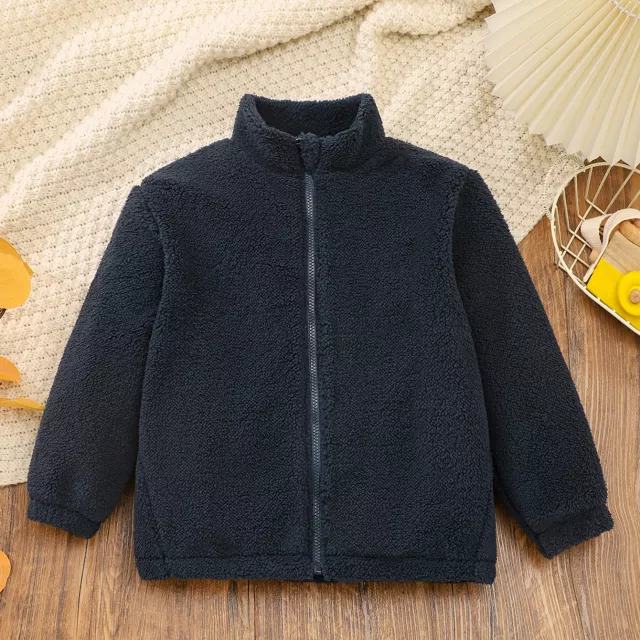
A dependable cold-season coat should feel cozy without feeling bulky, handle windy school mornings, and stay comfortable through play. This deep blue fleece-lined boys coat is designed for autumn chill through winter cold, pairing an insulating interior with an easy-to-wear outer layer for everyday outings.
When the weather swings from crisp fall afternoons to colder winter days, the best boys’ coats balance warmth, comfort, and practicality. Instead of relying on thickness alone, a well-designed coat helps keep warmth in and cold air out—without making movement feel stiff or restricted.
Fleece is popular in cold-weather gear because it’s soft, comfortable, and effective at trapping warmth. A fleece-lined interior works by holding warm air close to the body, which can make a noticeable difference during windy walks to school or chilly evenings outside.
For general cold-weather safety reminders—especially on very cold or windy days—resources like the CDC Winter Weather Safety guide and the American Academy of Pediatrics winter safety tips can be helpful for planning outdoor time.
A midweight, fleece-lined coat tends to earn its keep because it works in “real life” situations: short outdoor bursts, lots of on-and-off, and unpredictable temperature changes between morning and afternoon.
Pair the coat with a long-sleeve shirt on cool days. When it’s colder, add a hoodie or sweater underneath so warmth can be adjusted without switching to a much heavier coat. A comfortable interior lining helps the coat go on quickly over uniform tops or knit layers.
Look for a fit that doesn’t pull across the back when arms reach forward or overhead. When temperatures dip, gloves and a warm hat often make as much difference as switching coats—especially if kids are active and generating heat while playing.
For walking between car, school, and stores, a fleece-lined coat offers warmth without the “too hot indoors” feeling that can happen with heavier outerwear. Layering also helps when moving between heated buildings and cold outdoor air.
Layering is usually more comfortable than relying on one extremely heavy coat. A base layer plus a mid-layer (like fleece or a hoodie) gives flexibility for different temperatures and activity levels.
Fit plays a big role in warmth. A coat that’s too tight can restrict movement and make layering uncomfortable, while a coat that’s too large can leave gaps where cold air sneaks in.
| Fit area | What to look for | Why it matters |
|---|---|---|
| Shoulders | No pulling when arms lift | Prevents restricted movement |
| Chest | Zips comfortably over a sweater | Allows practical layering |
| Sleeves | Reaches wrist with arms forward | Helps block drafts |
| Length | Covers waist/hips comfortably | Adds warmth and coverage |
Cold-season coats work hard—school days, weekend outings, and spontaneous puddle-jumping moments. Simple care habits can help keep the fleece lining soft and the coat looking neat through the season.
| Item | Details |
|---|---|
| Name | Warm Deep Blue Fleece-Lined Boys Coat for Autumn and Winter |
| Price | 4.67 USD |
| Stock status | In stock |
| Shop page | classyfindbay.shop product listing |
It depends on the temperature, wind, and how long your child will be outside. For colder days, add layers like a base layer plus a sweater or hoodie, along with a hat and gloves; in extreme cold, a heavier insulated coat may be a better choice.
Try the coat on over a typical winter mid-layer and check that shoulders move freely, the zipper closes comfortably, sleeves reach the wrist, and there’s no tightness across the back when arms extend forward.
Follow the care label, use gentler wash settings when appropriate, fasten zippers/closures before washing, and avoid excessive heat. Air-drying or low-heat drying (if allowed) helps maintain softness and loft.










Leave a comment