
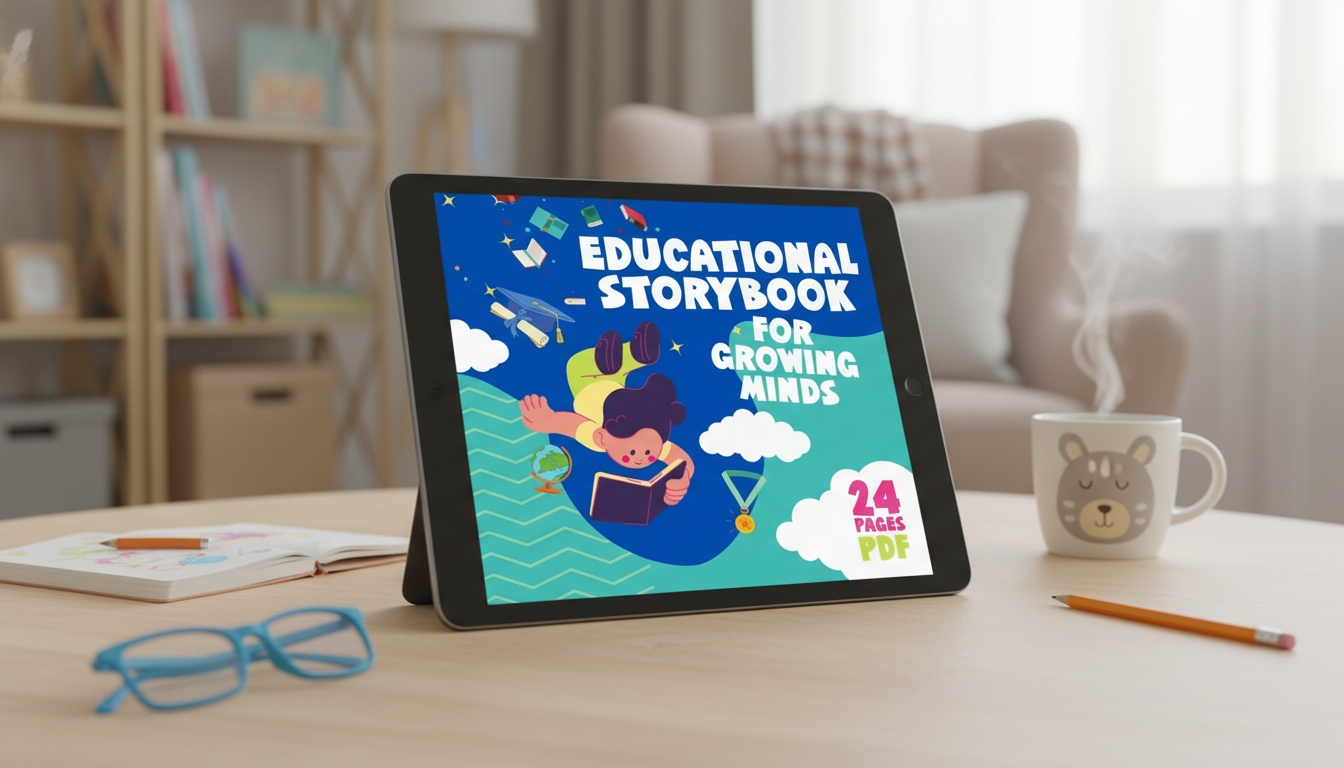
A good children’s story can do more than entertain—it can help kids name feelings, practice problem-solving, and carry a lesson into real life. This digital story collection is designed for growing minds with imaginative adventures that naturally reinforce positive values, making it easy to add meaningful reading time to bedtime, quiet time, or classroom moments.
Reading together also creates the kind of back-and-forth conversation that supports language and connection. If you’re looking to strengthen those daily “talk and listen” routines, the American Academy of Pediatrics highlights how shared reading helps build communication and early literacy skills (AAP: Reading and Talking With Your Young Child).
When kids hear a story, respond with their own thoughts, and get a warm, attentive reply, they’re practicing a powerful interaction loop. Harvard’s “serve and return” concept explains how these responsive moments help build developing brains through everyday connection (Harvard Center on the Developing Child: Serve and Return).
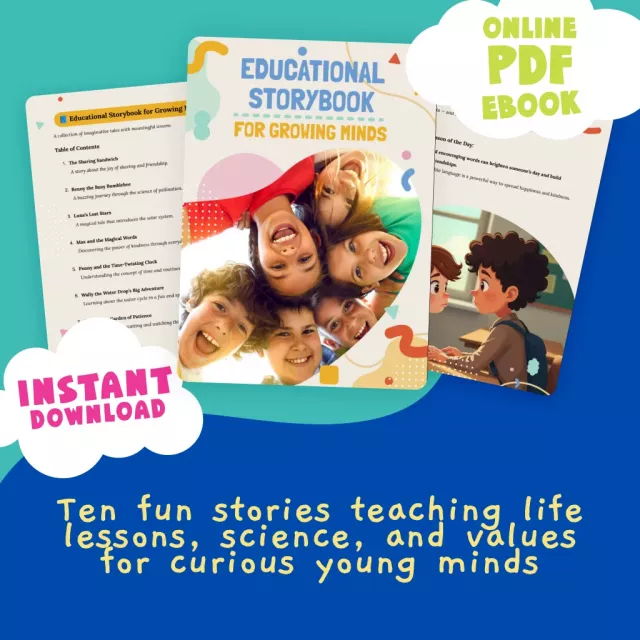
If you want a simple, repeatable way to add lesson-based reading to your week, the Educational Storybook for Growing Minds (Kids eBook PDF) is designed for quick access and easy rereads—perfect for those “let’s do one more story” moments.
Because the lessons are carried by the storyline, it’s easier for kids to remember what helped the character—and then try the same strategy at home or in the classroom. For broader everyday parenting support around routines and positive behavior, the CDC’s practical guidance is a helpful companion resource (CDC: Positive Parenting Tips).
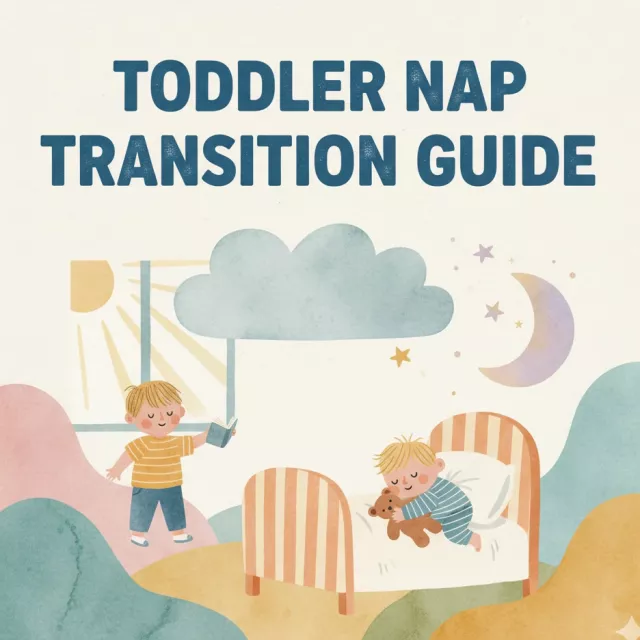
For families managing multiple transitions at once, stories can become the calm anchor, while practical checklists handle the logistics. Pair reading time with tools like the Bye-Bye Bottle toddler bottle-weaning checklist (digital guide) or the Toddler nap transition guide (printable checklist)—so you’re supporting both emotions and everyday routines.
Stories are a proactive, low-pressure way to introduce values and social skills. Checklists and guides are best when you need a clear step-by-step plan. Used together, they can help kids feel emotionally ready while adults feel organized.
| Need | Best Fit | Why It Helps |
|---|---|---|
| Meaningful reading time with gentle lessons | Educational Storybook for Growing Minds (PDF) | Stories make values memorable through characters and consequences. |
| Transitioning away from bottles | Bottle-weaning checklist (digital guide) | A structured plan reduces guesswork and keeps progress consistent. |
| Figuring out nap changes | Toddler nap transition checklist | Helps spot readiness signs and plan a smoother schedule shift. |
| Planning balanced meals quickly | Healthy meal plan & recipe collection (eBook) | Reduces decision fatigue with ready-made ideas and structure. |
For meal planning support that complements calmer routines (and frees up more time for reading), consider the Healthy meal plan & recipe collection (eBook).
A digital storybook gives instant access on your device, makes it easy to reread favorites, and travels well. Many families also like having the option to print selected pages for offline reading.
Yes—PDF storybooks can be printed, and many caregivers choose a handful of top stories to keep things organized. A binder or folder helps protect pages and makes it easy for kids to revisit their favorites.
Keep it light: ask one or two questions, try a quick role-play, or invite your child to draw a scene that shows a kinder choice. When you notice them trying the idea later, name the effort specifically so the lesson feels rewarding and real.










Leave a comment