
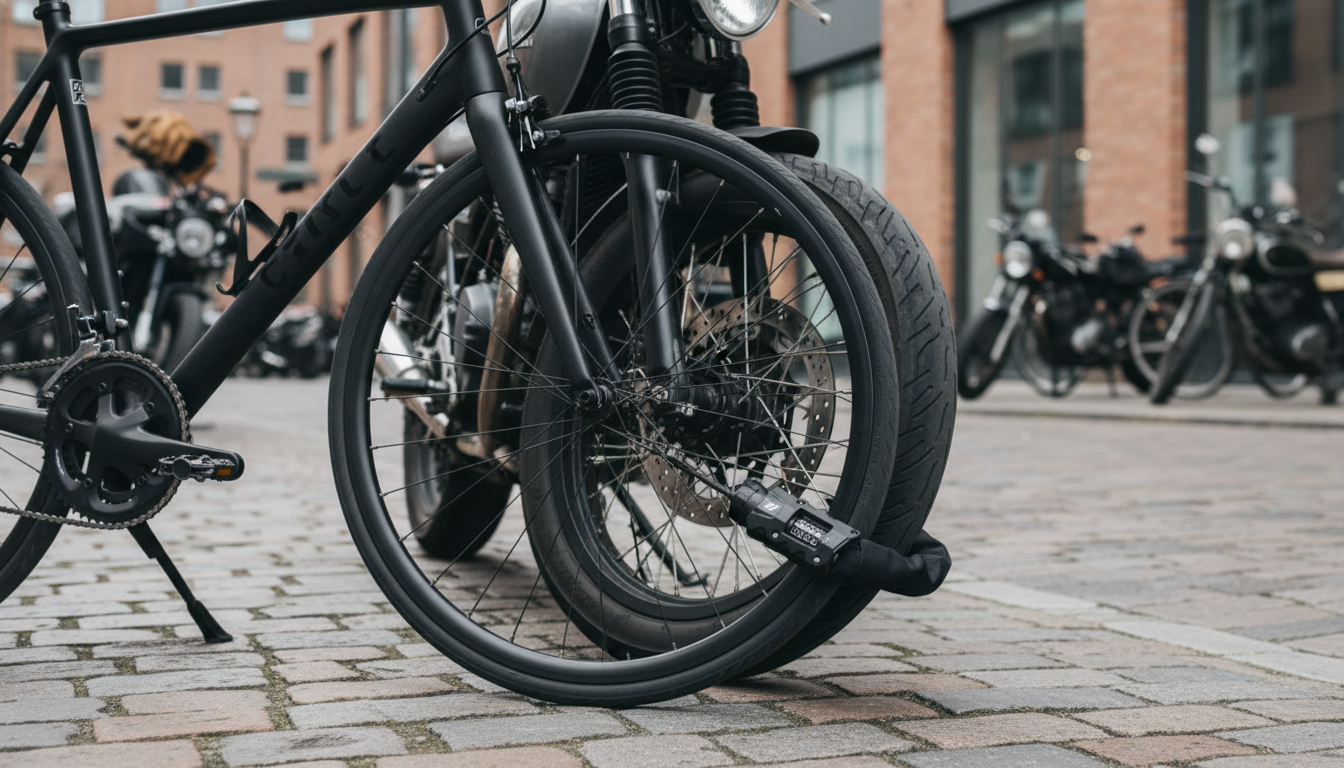
A sturdy chain lock can be the difference between a quick stop and a costly loss. A heavy-duty steel chain paired with a simple 4-digit combination is built for the realities of everyday parking—locking to bike racks, ground anchors, and solid posts without the hassle of carrying (or losing) keys. Below is a practical guide to choosing a strong chain lock, using it correctly on bikes and motorcycles, and getting better results with small, consistent habits. For more guidance, see Forward from the Past – IPMBA.
A chain lock shines when parking requires reach and flexibility—especially when you can lock to a fixed, cut-resistant object. For further reading, see NDakter Bike Chain Lock, 5ーDigit Combination AntiーTheft Bicycle ….
For higher-theft locations, many riders also look for independently tested security ratings such as Sold Secure or ART Foundation certifications to help compare lock classes.
Security is a mix of material resistance and real-world usability. The best lock is the one you’ll actually use correctly every time—tight, anchored, and positioned to reduce tool leverage.
| Lock type | Strength vs cutting | Portability | Best use case |
|---|---|---|---|
| Heavy chain lock | High (depends on link diameter and steel) | Moderate to heavy | Longer reach; bikes and motorcycles; securing to fixed objects |
| U-lock / D-lock | High | Moderate | Bike frame-to-rack in tight areas; strong everyday option |
| Folding lock | Medium to high | High | Commuters needing compact carry; moderate reach |
| Cable lock | Low | Very high | Accessories/helmets or very low-risk, short stops |
Most parking losses happen when the lock choice is decent, but the setup is easy to defeat. These small adjustments help reduce common attacks:
For motorcycles specifically, it also helps to follow broader theft-prevention habits—well-lit parking, solid anchors, and layered deterrents—like the guidance from the National Insurance Crime Bureau (NICB).
Not all chain locks are built the same. A quick pre-purchase checklist can prevent frustration later—especially if you park in variable locations (racks one day, posts the next).
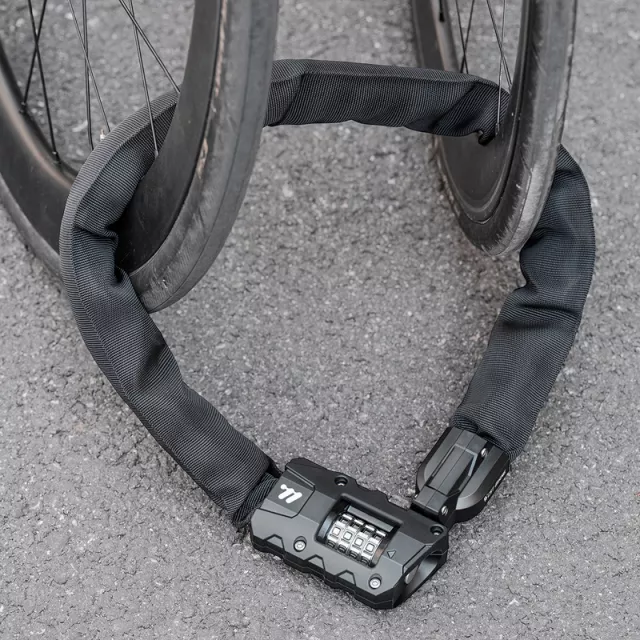
The Heavy-Duty 4-Digit Steel Chain Lock for Bikes and Motorcycles is designed for everyday theft deterrence with keyless convenience—useful for riders who want to lock up quickly during errands, commutes, gym stops, and café parking.
| Vehicle | Common secure method | Notes for better results |
|---|---|---|
| Bicycle | Frame + rear wheel to a rack | Keep chain tight; avoid leaving excess slack near the ground |
| E-bike | Frame + rear wheel to a fixed object | Consider pairing with an additional lock due to higher value |
| Motorcycle | Rear wheel to ground anchor (preferred) | If no anchor, choose a solid fixed object and minimize chain slack |
A 4-digit code mainly adds convenience; real security comes from the chain’s resistance to cutting and how you lock it up. A heavy chain and correct positioning can deter common attacks, and high-risk areas benefit from layering with a second lock and smarter parking choices.
Keep the chain snug and elevated, and avoid letting the lock body rest on the ground where it can be struck or leveraged. Minimizing slack reduces the space thieves need to insert prying tools or set up cutting angles.
Secure the chain through a solid section of the rear wheel and, when possible, a sturdy fixed object; avoid thin parts that can be cut or removed. Keep the chain tight, and consider adding a separate deterrent like a disc lock or alarm for layered protection.










Leave a comment