
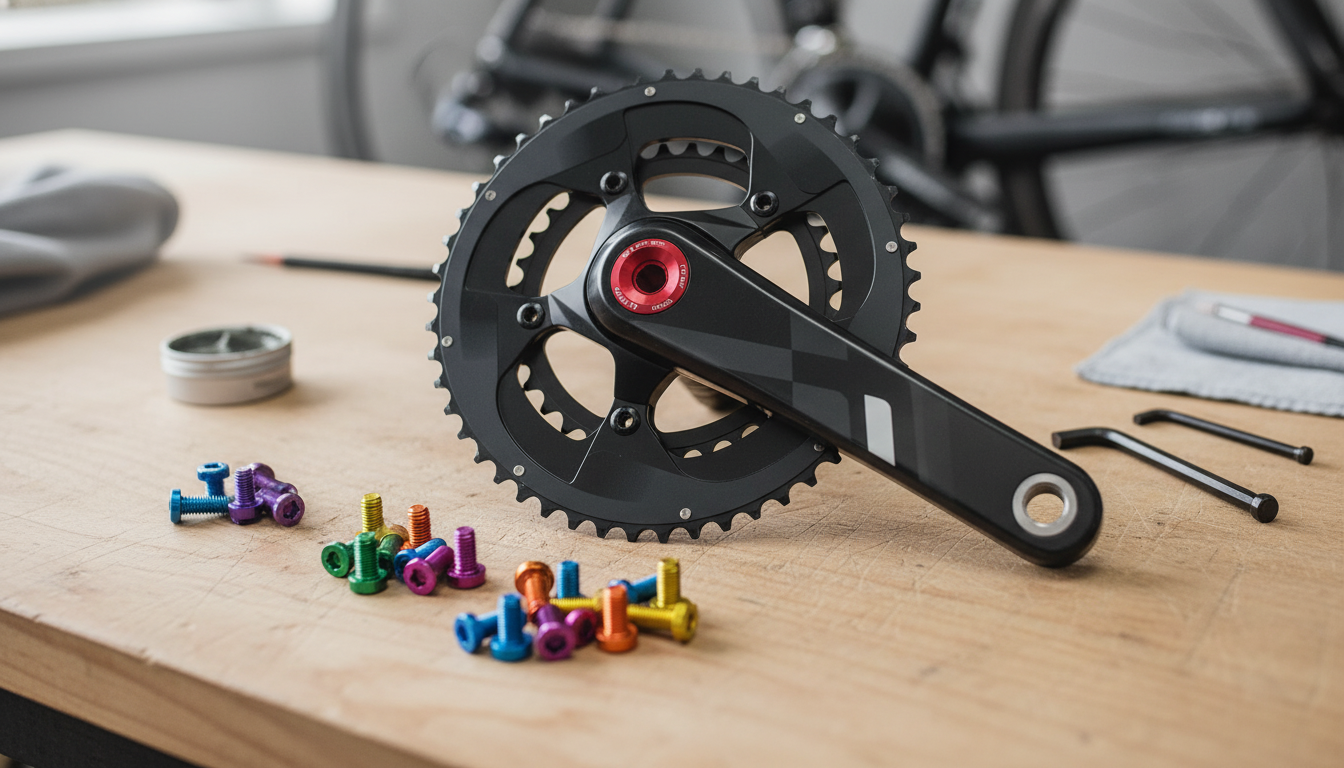
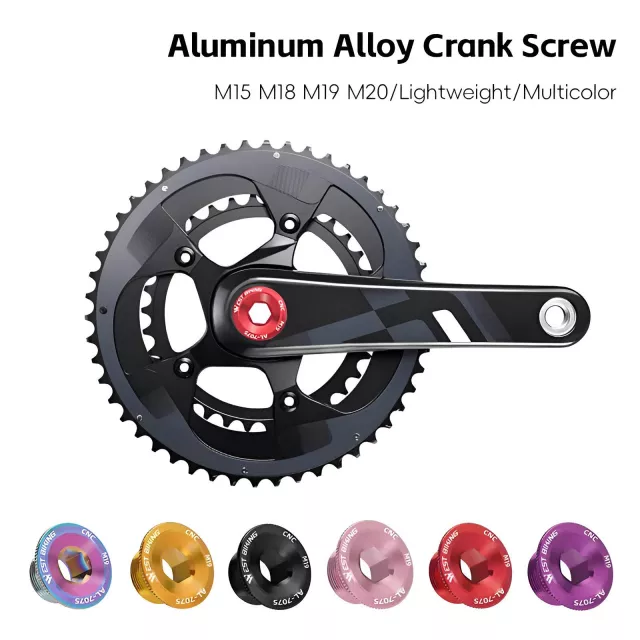
Crankset cover screws are small parts that make a big difference in how a bike looks and how well the crank area stays protected from dust and moisture. Aluminum multicolor options add a clean, custom finish for both MTB and road setups while keeping installation simple and service-friendly.
Crankset cover screws typically hold a dust cap or cosmetic cover in place around the crank interface. While they aren’t the same as the main crank fixing bolt(s), they still play an important role in keeping the area tidy, quiet, and easier to service.
Upgrading cover hardware is one of the simplest ways to refresh the crank area without changing major drivetrain components. For riders who enjoy dialing in their build details, anodized aluminum multicolor screws can look sharp while keeping weight low.
For riders who frequently clean their drivetrain or swap components, having clean, replaceable cover screws can also reduce the chance of rounding out the tool interface over time—especially when mud, grit, or dried salt creeps into the head.
Crank cover designs vary widely by brand and crank model, so fit verification matters more than whether the bike is “road” or “MTB.” Before ordering, take two minutes to remove one existing screw (if possible) and confirm the basics.
| What to check | How to verify | Why it matters |
|---|---|---|
| Thread size/pitch | Compare to the original screw or measure with a thread gauge | Wrong threads can strip the crank or cover |
| Length | Measure the original from under-head to tip | Too long can bottom out; too short may loosen |
| Head type | Match the existing tool interface (hex/Torx) | Prevents rounding and improves service access |
| Washer needs | Check if the original used a washer or captive flange | Helps distribute load and protect finish |
| Intended use | Road vs MTB vibration and mud exposure | Influences how often to recheck torque |
If you’re unsure about the correct specification for your crank, manufacturer technical documents can be the fastest way to confirm parts and thread details. Shimano’s technical library is a solid reference when applicable: Shimano — Dealer’s Manuals and Technical Documents.
Because cover screws often thread into aluminum or sit close to seals and bearings, careful installation protects both the hardware and the crank interface.
When threadlocker is appropriate, using the correct type makes removal easier later and reduces the risk of damaged threads. Park Tool’s overview is a practical reference: Park Tool — Threadlocking Compounds.
Anodized aluminum finishes hold up well, but they’ll look better longer with simple, consistent care—especially if you ride in wet conditions or on salted winter roads.
Aluminum Multicolor Crankset Cover Screws for MTB & Road Bikes
2-in-1 Bike Cable Lock with Built-In Taillight
No. Cover designs and thread specifications vary by crank brand and model, so the safest approach is matching the original screw’s thread size/pitch, length, and head type rather than relying on the bike category.
Yes, with routine care. Clean and dry the area after wet rides, start threads carefully to avoid cross-threading, and use anti-seize or threadlocker only when appropriate for your crank and cover design.
Clean the threads, confirm the screw length is correct, and make sure the cover seats properly before tightening evenly. If the design allows, a small amount of medium-strength threadlocker can help; persistent loosening may indicate damaged threads that need repair or replacement parts.









Leave a comment