
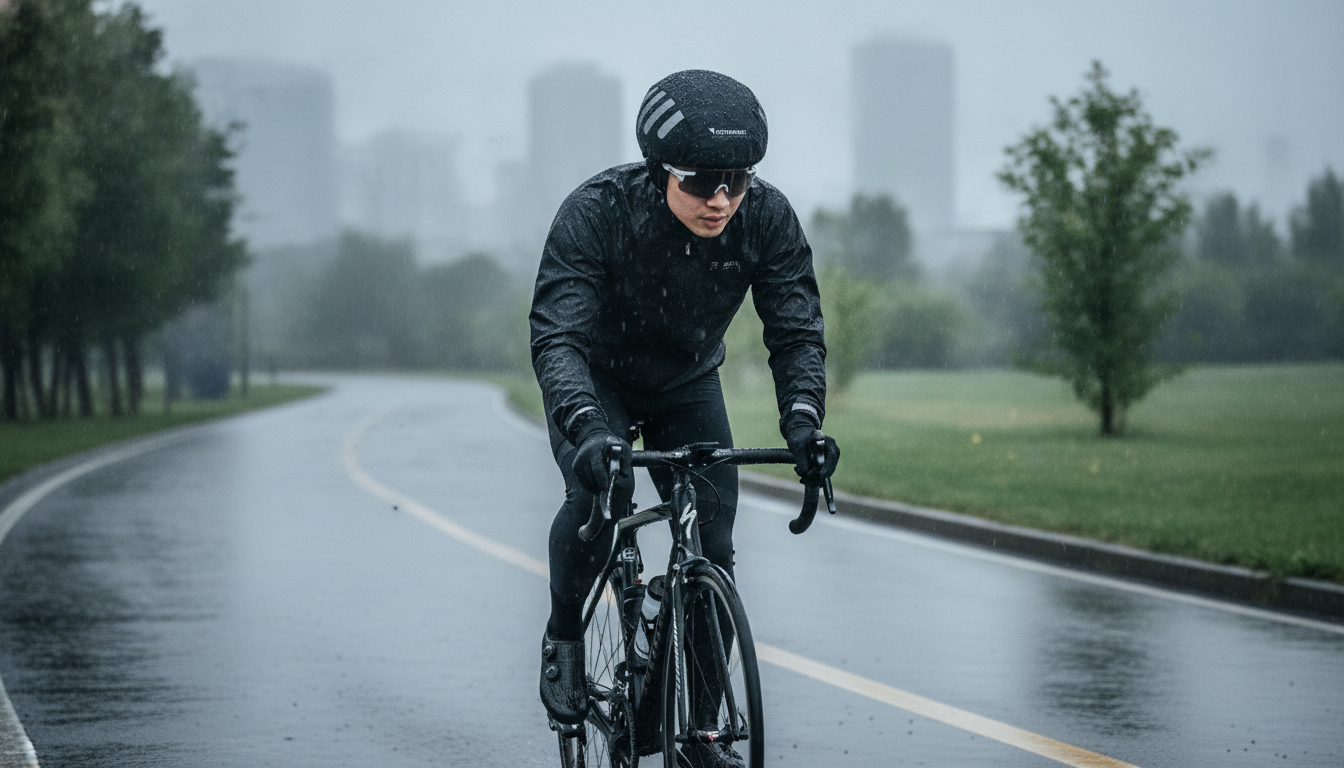
A helmet rain cover helps keep water and wind off your helmet vents while adding a high-visibility layer for darker commutes. An ultralight, packable cover is easy to stash in a pocket or saddle bag, then pull on quickly when weather shifts. The right fit stays secure at speed, sheds rain without flapping, and keeps reflective details visible from multiple angles.
A cycling helmet is designed to manage airflow through vents—great for hot climbs, less great when rain is pouring straight into the padding. A rain cover is a simple accessory that changes how your helmet handles weather and visibility.
For helmet safety basics and standards, review guidance from the Consumer Product Safety Commission (CPSC). For broader road safety reminders, the NHTSA bicycle safety page is a helpful refresher.
Not all covers behave the same in real weather. Fabric coating, seam quality, and how the hem grips your helmet can be the difference between “quiet and dry” and “noisy and soaked.”
| Need | What to check | Why it matters |
|---|---|---|
| Rain protection | Coated waterproof fabric; snug hem | Keeps water out of vents and reduces soaking |
| Night visibility | Large reflective areas or high-contrast color | Improves detection by drivers in low light |
| Stable at speed | Elastic/drawcord tension; minimal loose fabric | Reduces flapping and noise in wind |
| Helmet compatibility | Space for retention system; coverage without blocking straps | Maintains proper helmet fit and comfort |
| Easy to carry | Ultralight, folds small | Encourages bringing it on uncertain forecast days |
Most flapping, shifting, or “cover creeping backward” problems come down to uneven tension or a mismatch between helmet shape and cover cut. A quick setup check before rolling out can prevent constant mid-ride adjustments.
Weather changes fast—especially on shoulder-season commutes. A cover is most effective when it goes on early, before your padding is saturated and your head is already chilled.
For planning around storms and timing your ride, check NOAA weather forecasts and radar before heading out.
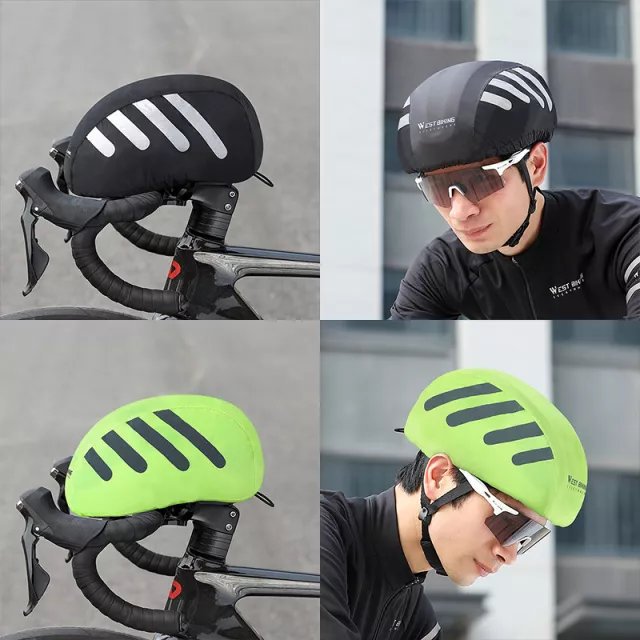
If you want a simple, commuter-friendly solution that’s easy to bring every day, the Ultralight Waterproof Reflective Helmet Rain Cover for Cycling is built to add a lightweight waterproof layer over your helmet when conditions turn wet. Reflective detailing supports visibility during early-morning, dusk, and night rides, and the packable format makes it easy to keep on hand as an everyday precaution for variable forecasts.
For riders who commute year-round, staying organized can be just as valuable as staying dry. The Rugged AMOLED Smartwatch with 3D Curved Display & Bluetooth Calling can help keep notifications accessible when you’re layered up, and it’s a convenient way to track time and manage calls without fumbling for a phone mid-ride.
Many covers fit a range of helmet sizes using elastic edging or a drawcord, but helmet shapes vary. Check the stated size range, make sure any visor setup is compatible, and confirm the cover won’t block straps or the retention dial.
No. Reflective material improves how well you’re seen by external light sources, but it doesn’t replace active lighting. Use a front white light and rear red light and ensure the cover doesn’t obstruct mounts or beams.
Seat the hem evenly around the helmet edge and adjust tension so there’s no loose fabric. A snug, centered fit is usually quieter at speed, and in strong crosswinds you may need a quick re-tensioning stop.







Leave a comment