HomeBlogBlogWarm Cotton Dog Dress Jacket for Small Dogs (Winter)

Warm Cotton Dog Dress Jacket for Small Dogs (Winter)

Warm Cotton Dog Dress Jacket for Small Dogs (Winter)

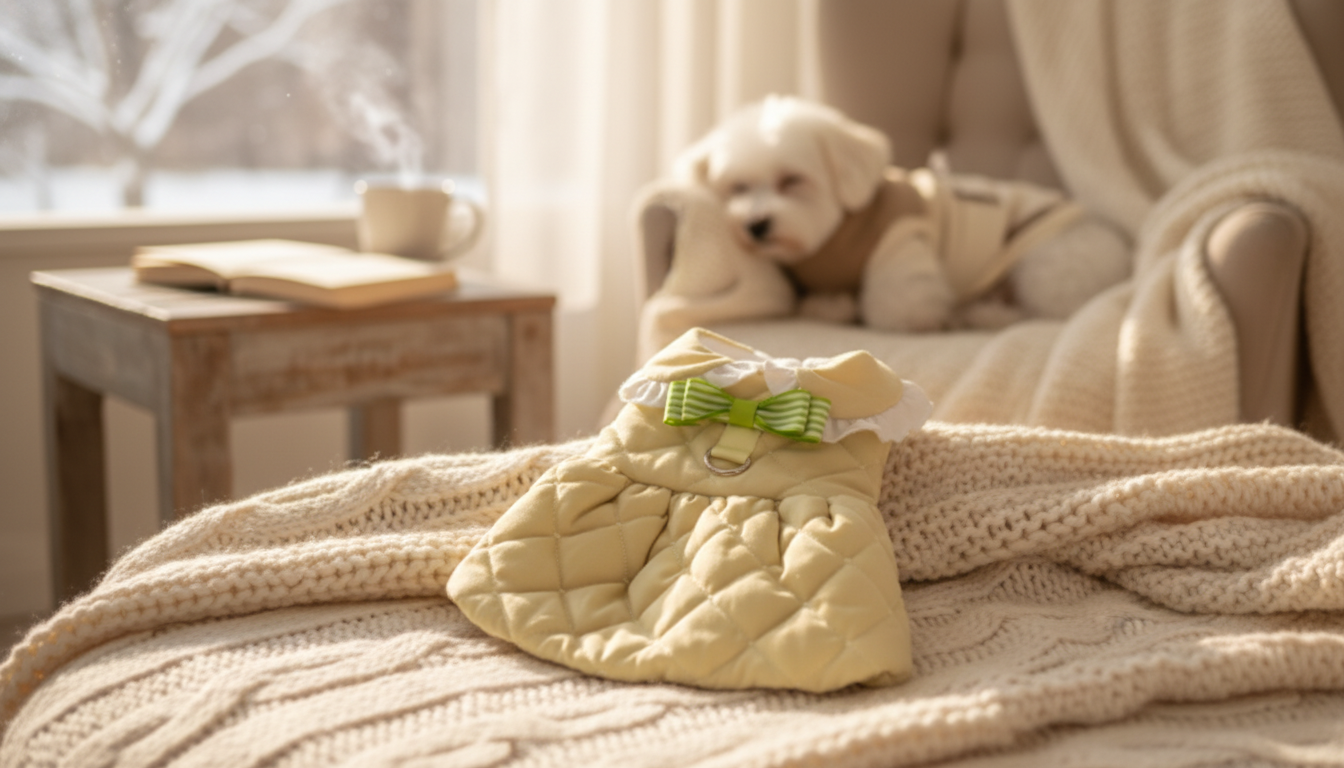
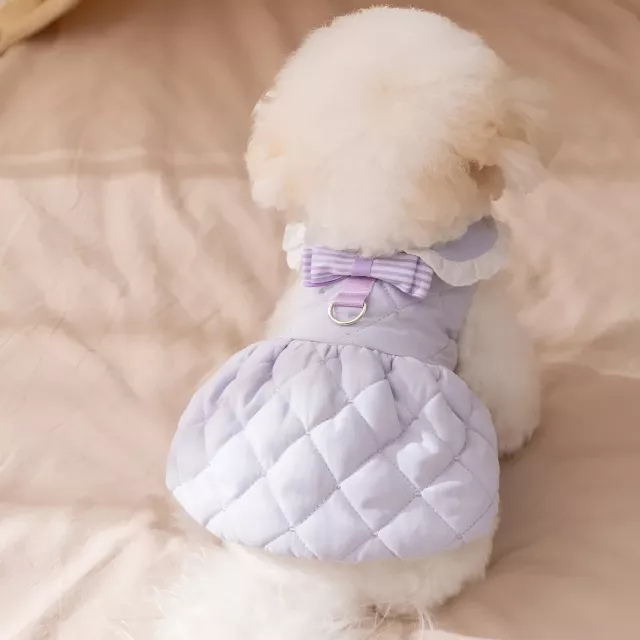
Cozy Winter Cotton Dog Dress – Thick Warm Down Jacket for Small Dogs

Cold-weather walks can be tough on small dogs that lose body heat quickly. This cozy cotton dog dress-style jacket is designed to add warmth with a thicker, down-like fill while keeping movement comfortable for everyday outings, errands, and quick potty breaks.

What makes a winter jacket comfortable for small dogs

Small breeds often feel winter sooner than larger dogs, especially in wind, damp air, or on cold pavement. A comfortable winter jacket should warm the core without turning a walk into a stiff shuffle.

  • Warmth without bulk: thicker insulation helps retain heat while still allowing a natural stride.
  • Soft inner feel: cotton-forward fabrics can reduce irritation for short-coated or sensitive dogs.
  • Secure fit: a snug (not tight) chest and neck helps prevent cold air from slipping in.
  • Easy on/off: a simple closure style reduces stress for dogs that dislike dressing.
  • Freedom of movement: a good cut keeps shoulders and front legs from binding during walks.

For broader cold-weather guidance, see safety tips from the American Kennel Club and the ASPCA.

Cozy Winter Cotton Dog Dress jacket: key features to look for

A dress-style dog coat can be both practical and adorable—as long as the design still protects the chest and keeps your dog comfortable in motion. Features that matter most on quick winter outings include insulation, a stable fit, and a cut that won’t rub under the arms.

  • Thick, warm build intended for chilly conditions and short outdoor trips.
  • Dress-style silhouette that can look cute while still functioning as a practical coat.
  • Best suited for small dogs; measure carefully to avoid a loose back or tight chest.
  • Everyday-use design for neighborhood walks, car rides, and outdoor café visits.
  • Harness compatibility: pairs well with a harness when the fit allows; confirm leash attachment doesn’t create pressure points.

If you’re shopping for a warm, small-dog option, see the in-stock listing here: Cozy Winter Cotton Dog Dress – Thick Warm Down Jacket for Small Dogs.

Sizing and fit guide (measure first)

Fit is what turns a “cute coat” into a coat your dog will actually tolerate. Measure first, then prioritize the chest so your dog can breathe comfortably and move naturally.

  • Measure back length: from the base of the neck to the base of the tail (not including tail).
  • Measure chest girth: the widest part behind the front legs; prioritize chest fit for comfort and breathing.
  • Measure neck girth: where a collar naturally sits; allow room for two fingers.
  • If between sizes: choose the size that matches chest girth, then confirm back length is reasonable.
  • Check mobility: the jacket should not pull at the armpits or restrict shoulder movement.

Quick fit checklist

Area What to check Good sign Adjust if
Chest Breathing and snugness Two-finger comfort, no gapping Panting increases or fabric flares open
Neck Comfort and coverage Collar area sits flat Neckline presses or rubs
Back length Coverage to near tail base Warmth without dragging Covers tail or rides too far forward
Leg/shoulder Stride and range of motion Natural walk and sit Armpit rubbing or short steps

When to use a thick cotton winter jacket vs. a lighter layer

Not every day calls for maximum insulation. The goal is steady comfort—warm outside, not overheated inside.

  • Use thicker warmth for: small breeds, short-coated dogs, seniors, or dogs that shiver in cool air.
  • Use a lighter layer for: mild weather, highly active dogs, or indoor-to-car-to-indoor routines.
  • Wind and damp conditions: can feel colder than temperature alone; add warmth when wind chill is noticeable.
  • Watch behavior cues: shivering, tucked tail, lifting paws, refusing to walk, or seeking to be carried.
  • Avoid overheating indoors: remove the jacket after coming inside if the dog pants or seems restless.

In very cold snaps, shorten walks and focus on quick, positive trips. The AVMA also emphasizes limiting exposure and watching for cold stress, especially in smaller pets.

Care and everyday use tips

A winter jacket earns its keep when it stays clean, dry, and comfortable against the coat. Simple habits help it last through the season.

  • Brush off debris after walks and let the jacket dry fully if exposed to drizzle or snow.
  • Check seams and closures regularly, especially after active play.
  • Prevent matting: long-haired dogs may need light brushing where the jacket contacts the coat.
  • Rotate layers: having a spare helps when one jacket is drying.
  • Safety check: ensure the jacket doesn’t block potty posture; confirm the belly area stays clean.

Comfort and safety notes for cold weather

Product options in stock

FAQ

How do I choose the right size for a small dog winter jacket?

Measure back length (neck base to tail base), chest girth (widest point behind front legs), and neck girth (where a collar sits). Prioritize chest fit if you’re between sizes, then confirm the back length is close. After dressing, check that your dog can walk, sit, and lift their front legs without armpit rubbing or restricted shoulders.

Is a thick winter jacket safe for indoor wear?

It can be, but overheating is the main risk. If your dog pants, seems restless, or seeks cooler surfaces, remove the jacket once indoors. Thick coats are usually best for outdoor time and quick transitions rather than extended indoor wear.

How can I tell if my dog is too cold on walks?

Common signs include shivering, lifting paws, slowing down, whining, a tucked tail, refusing to continue, or trying to be carried. If you notice these cues, shorten the walk, add warmth (and consider paw protection), and keep outdoor breaks brief until conditions improve.

Was this article helpful?

Yes No
Leave a comment
Top

Shopping cart

×