
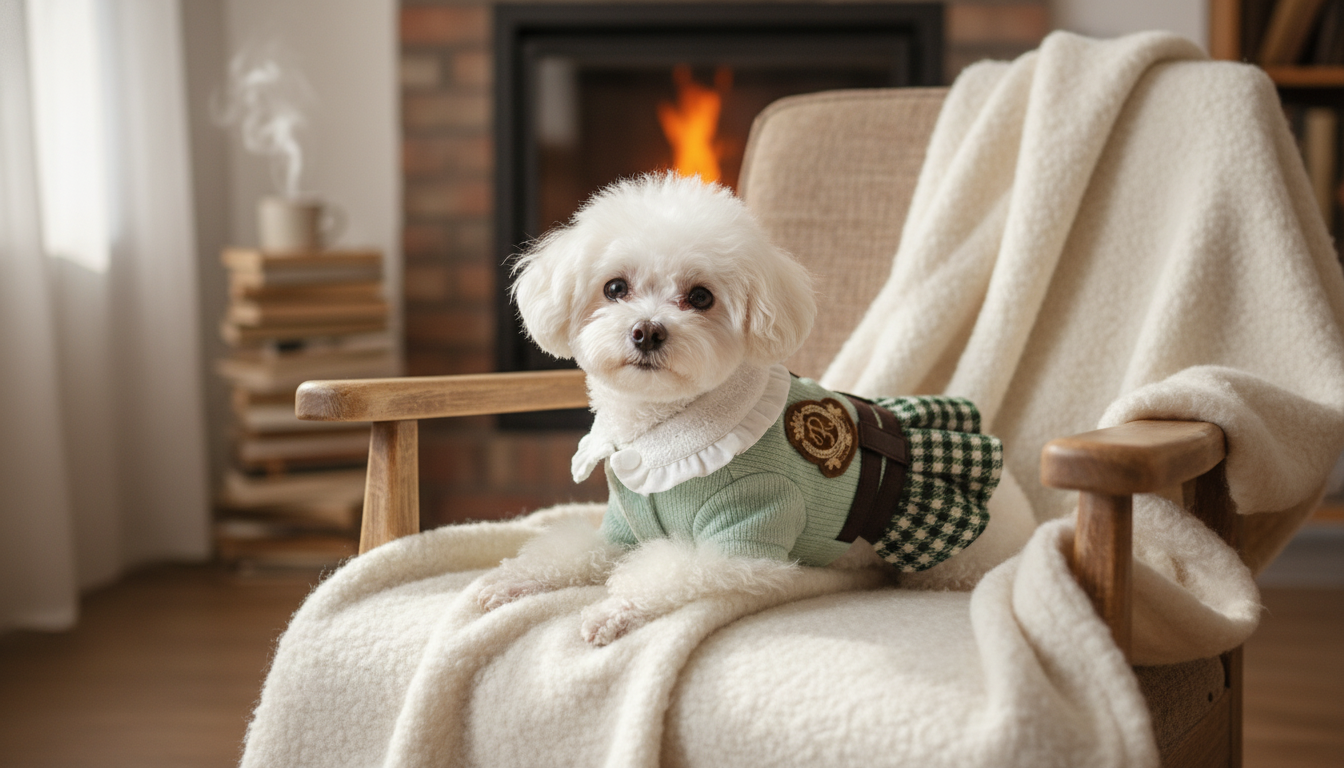
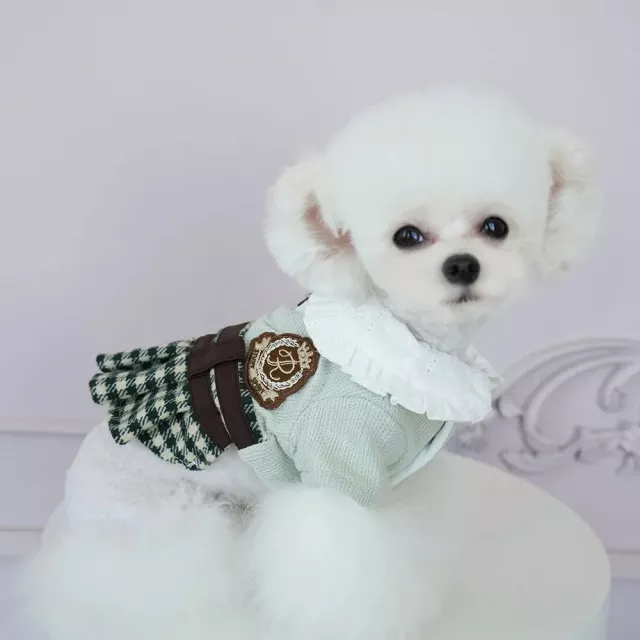
Cold-weather outings can be tough on small pets and short-coated breeds. A warm coat that fits well helps retain body heat, reduces shivering on walks, and adds a polished look for holiday photos or everyday errands. This plaid dress-style coat is designed for cats and small dogs who need an extra layer when temperatures drop.
When temperatures dip, many pets (especially smaller ones) cool down faster than expected—sometimes even during “quick out” bathroom breaks. A structured, easy-to-wear coat can make winter routines smoother while keeping your pet more comfortable.
If you ever question whether your pet needs outerwear, both the ASPCA and the AVMA note that cold weather can be risky—particularly for small, senior, and short-coated pets—so limiting exposure and using sensible protection can help.
A winter coat only helps if it fits correctly. Too tight can restrict breathing and shoulder movement; too loose can twist, rub, or snag. For most cats and small dogs, chest girth is the measurement that determines day-to-day comfort.
| Measurement | How to Measure | Fit Tip |
|---|---|---|
| Chest girth | Wrap tape around the widest part of the ribcage | Choose a size that leaves slight room for movement and breathing |
| Back length | Base of neck to base of tail along the spine | Too long can bunch; too short can expose the lower back |
| Neck | Around the neck where a collar rests | Avoid tightness; check comfort when pet looks down or turns head |
| Leg/armholes | Check opening position while standing | Should not rub the armpits or pull forward on the shoulders |
Even a well-measured coat should be “test-driven” indoors. Pets move differently when they sit, climb a step, or turn quickly, and you want the coat to stay stable without pinching or sliding.
A helpful rule: if your pet can walk normally, turn easily, and settle without the coat creeping up toward the neck, you’re likely in good shape. If the coat shifts dramatically to one side, the chest may be too roomy or the back length may be off.
Not every pet needs a coat every day, but many benefit when the weather turns sharp—especially during short outings when their bodies don’t have time to “warm up.”
If you’re looking for a winter-ready layer that balances warmth with a classic plaid look, the Winter Plaid Pet Dress Coat for Cats & Small Dogs is a practical pick for short walks, quick errands, holiday photos, and seasonal events. It’s especially handy for small pets that appreciate an easy outer layer when the air turns cold.
| Item | Details |
|---|---|
| Product | Winter Plaid Pet Dress Coat for Cats & Small Dogs |
| Price | 13.97 USD |
| Availability | In stock |
| Shop page | https://classyfindbay.shop/winter-plaid-pet-dress-coat-for-cats-small-dogs/ |
Yes, when supervised and properly fitted. Make sure the coat doesn’t restrict shoulder movement or put pressure on the throat, introduce it in short sessions, and remove it if your cat freezes, flops, or shows signs of stress.
It should be snug but not restrictive. Use the two-finger rule at the neck and chest, and confirm your pet can walk, sit, and lie down normally—chest girth is usually the deciding measurement for comfort.
Only if the coat’s design accommodates it without pulling, twisting, or limiting breathing. Test the full setup indoors to confirm the leash connection is safe and the coat stays stable during normal movement.










Leave a comment