
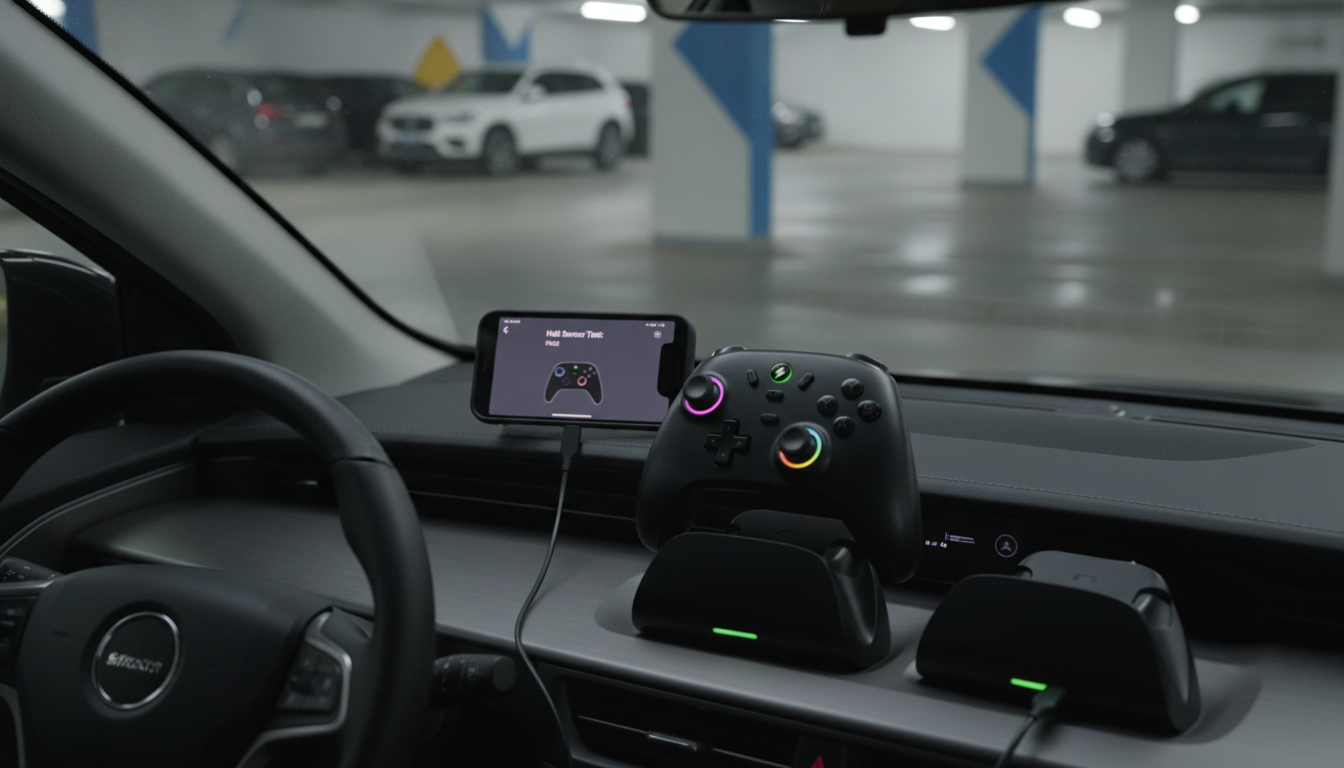
Hall effect controllers use magnetic sensors in the analog sticks (and sometimes triggers) instead of traditional potentiometers that physically rub and wear down over time. The big appeal is better long-term consistency and a reduced chance of drift caused by mechanical wear.
As of recent mainstream releases, the major first-party options (like the standard Xbox Wireless Controller, PlayStation DualSense, and Nintendo Joy-Con/Pro Controller) typically do not use Hall effect stick modules. They generally rely on potentiometer-based sticks, which can develop drift as parts wear or get contaminated.
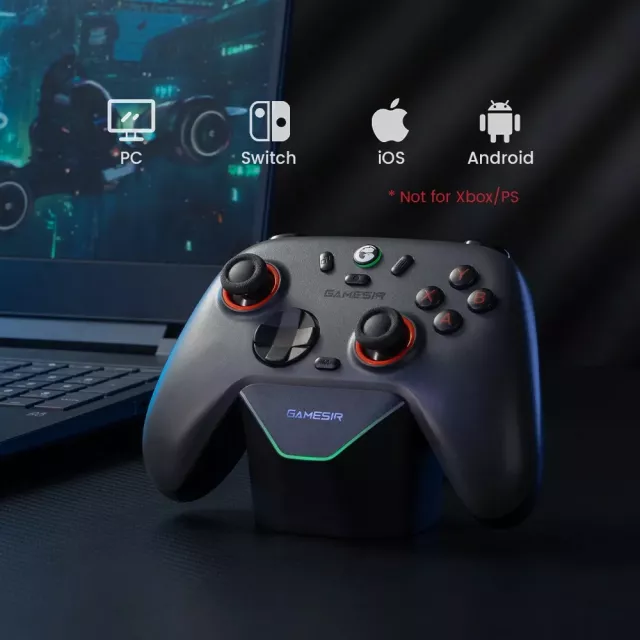
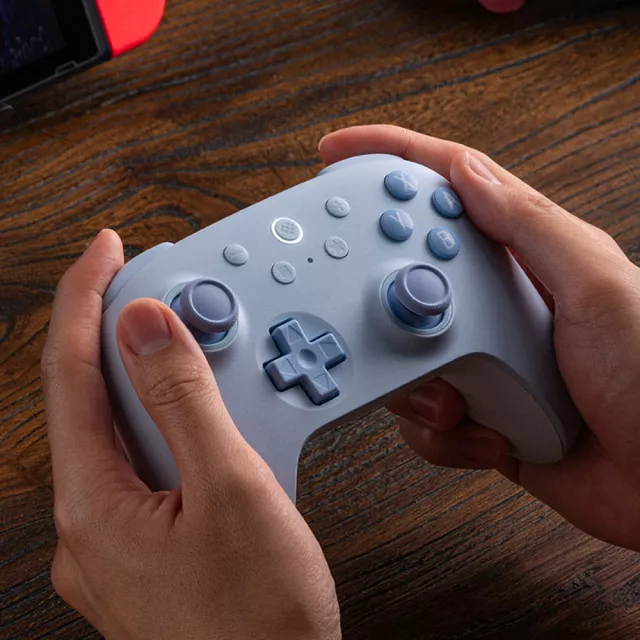
If you specifically want Hall effect sticks for console play, you’ll usually be looking at third-party controllers that support console modes or are officially licensed for a given platform. Well-known examples include:
Because controller versions can change over time, confirm Hall effect support by checking the product listing for “Hall effect joystick,” “magnetic sticks,” or similar wording. Also verify the platform support (Switch, Xbox, PlayStation, or “works via Bluetooth/USB”) and whether the controller is wired-only on certain consoles.
For a deeper look at drift resistance and what to look for in a wireless Hall effect setup, see this guide: drift-resistant wireless Hall effect gamepad + charging stand.
They greatly reduce drift caused by mechanical wear in the stick sensors, but they can’t prevent every issue. Dirt, physical damage, calibration problems, or firmware quirks can still create unwanted movement in some cases.








Leave a comment