
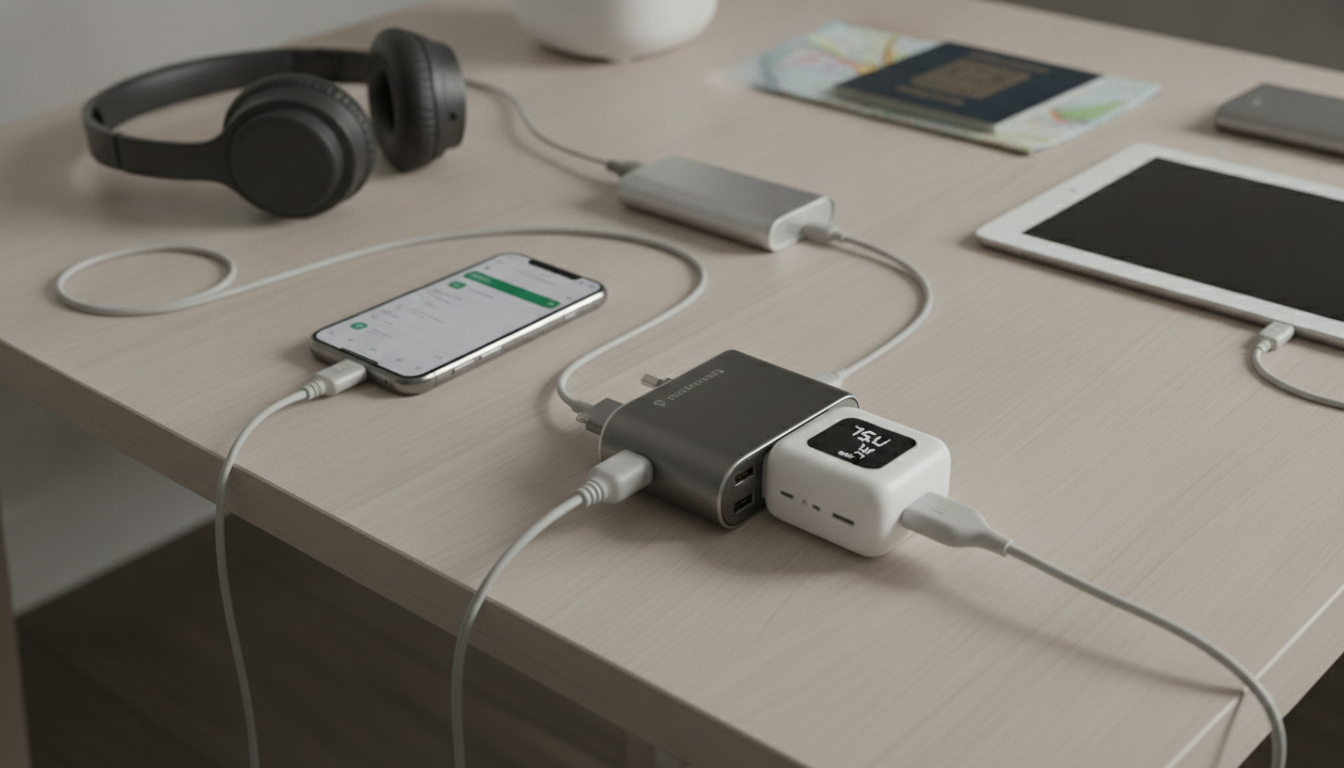
Yes—many smart plugs can measure power consumption, but only models labeled with energy monitoring (sometimes called “power monitoring” or “energy tracking”). These smart plugs don’t just turn devices on and off; they also report how much electricity a connected item is using in real time and over time.
An energy-monitoring smart plug sits between the wall outlet and your device. Inside, it measures electrical current and voltage and calculates power draw (watts). Most companion apps display live wattage plus historical usage—often as kilowatt-hours (kWh) per day, week, or month—so you can see patterns instead of guessing.
Power data is useful for spotting hidden costs and waste. For example, you can identify a device’s standby draw, compare how much a space heater uses on different settings, or confirm whether a “sleep mode” is actually saving energy. Some apps also estimate cost if you enter your electricity rate.
Not every smart plug measures energy, and accuracy varies by brand and load type. Very low-watt devices may show jumpy readings, and some plugs have maximum load ratings that shouldn’t be exceeded. If you plan to monitor higher-draw appliances, confirm the plug’s watt/amp rating and intended use (and avoid using a standard smart plug where a dedicated appliance control solution is required).
If the main goal is tracking usage and cutting waste, look for clear kWh reporting, reliable historical charts, and a simple way to export or review trends. For a deeper checklist on features and how to reduce standby power, see the full guide: smart plugs checklist to cut standby power and save money.
Avoid devices that exceed the plug’s rated amperage/wattage and anything that requires a dedicated control method (such as hardwired HVAC equipment). High-current heating appliances can also be risky unless the plug is specifically rated and approved for that type of load.









Leave a comment